April is weird. Between the whole ‘in like a lion, out like a lamb’ thing the month before and the old adage ‘April showers brings May flowers’, after… the weather can get confusing – especially here in Chicago. One minute you’re wearing a spring dress and wishing you hadn’t worn a scarf and the next, it’s snowing. Again.
It’s also around the time when the first 55-degree, no-wind sunny day will reveal the die-hard Midwesterners in shorts, because it’s basically summer! To add insult to injury, the volatile weather means most restaurants won’t be willing to lug the outdoor furniture out of storage, and waiting patiently for patio season can seem like purgatory. But don’t worry – we’ve got you! We pulled together a list of the best indoor/outdoor spots in Gold Coast to help get you through that weird limbo land and prepare for the sweet Summertime Chi ahead.
I|O at the Godfrey – 1501 N Kingsbury St.
Seeing as I|O most likely means “indoor | outdoor”, it’s safe to say these guys know a thing or two when it comes to all-season social hotspots. One of the first locales with a retractable roof, the Godfrey could be considered a trendsetter in finally figuring out how to take advantage of the crazy weather swings we see here in the Midwest. I|O has a great food menu as well as a hoppin’ nightlife scene – so whether you want a midday meal or a night out, this should definitely be one of your go-tos!
Bar Cargo is a really cool pizza joint that has a great atmosphere inside AND an epic covered patio when the weather permits. Owner Anthony Stefani fell in love with Roman-style pizza on a family vacation and has since brought a complex (and delicious) 96-hour dough rise process to the Windy City – along with a “Castelli Forni” stone oven from Italy, in which they bake their pies. Even if it’s not nice enough to sit outside, the fast-paced and boisterous atmosphere makes it a great place for a bite to eat!
Article continues below.
The J.Parker – 1816 N Clark St.
The J.Parker is the rooftop bar in Hotel Lincoln – and we all know what happened to President Lincoln. But who was J Parker? Fun fact: Officer John Parker was designated as President Lincoln’s guard the night he was assassinated… and decided to leave his post at intermission.
Don’t worry – this J.Parker’s got your back – because rain or shine, summer or winter, you can expect to enjoy some of the best views of Chicago while sipping a drink or two at this rooftop bar with a retractable roof. Just be sure to get there early, because seating is first come, first served!
Utopian Tailgate – 1608 N Wells St.
Why relegate tailgate season to a few months of the year when it could last all year long and take place across 10,000 square feet above Second City?! Welcome to Utopian Tailgate, where you can eat, drink, be merry and play life-size Jenga to your heart’s content. In addition to the indoor space with neon colors, nostalgic drinks and upscale tailgate fare, there is also a huge outdoor area with heating lamps – so you can still catch those skyline views even if the temps aren’t cooperating.
A quick walk from the Gold Coast area, Joy District is another indoor-outdoor gem to enjoy the electric energy of the city even if it’s not summer quite yet. Mosey from the indoor area, full of bright colors, pop art and nooks and crannies perfect for catching up with friends, to the outdoor area, which allows you to take advantage of the beautiful skyline views with a cocktail in hand. In the cooler months, you can also rent a gigantic igloo to keep warm when you need a little something more than a heat lamp. Joy District also features a rotating list of DJs Thursday through Sunday.
Post written by FFC Contributor Megan Zink.
https://dev.ffc.com/wp-content/uploads/2020/03/5-Best-Indoor_Outdoor-Spots-in-Gold-Coast.png14002280Sydney MeyerSydney Meyer2020-04-17 08:00:152020-04-17 08:00:15The 5 Best Indoor/Outdoor Spots in Gold Coast
If you’re anything like me, you alternate between thinking “there’s nothing to do” and “there’s too much media to consume” as we #stayhome and endure the weeks of our shelter-in-place order. After I plowed through season three of Ozark in…one day…I was left feeling like I’ve watched, read and listened to it all; there was nothing left on Amazon, Hulu, Netflix, Disney+, HBO or Showtime to entertain me.
Of course, that will never be the case, but I needed some new content ideas to sprinkle in with re-runs of The Office, so I started asking friends, family and total strangers what they were enjoying during quarantine. If you’re struggling to locate your next binge-watch or book to read, below is a list of documentaries, movies, TV shows, books and podcasts to help entertain you, no matter what kind of content you’re in the mood to consume.
If you miss sports:
Documentary: Hoop Dreams – Streaming on HBO. This 1994 documentary follows two Chicago teens and their dreams of becoming professional basketball players.
TV Show: Friday Night Lights – Streaming on Hulu. This NBC drama is set in the small town of Dillon, TX where high school football is a way of life.
Book: The Boys in the Boat by Daniel James Brown. This non-fiction novel tells the story of the University of Washington rowing team and their journey to the 1936 Berlin Olympics.
Podcast:30 for 30. From the makers of the 30 for 30 film series, this ESPN podcast is streaming on Apple Podcasts and Spotify.
If you want to feel inspired:
Docuseries: Pick of the Litter – Streaming on Disney+. Love dogs? This docuseries follows puppies through their training for the Guide Dogs For The Blind program.
TV Show: Super Soul Sunday – Available to stream on the OWN App with a cable subscription. Now in its ninth season, Oprah Winfrey sits down with thought leaders and creators across many industries to discuss spirituality, creativity, fulfillment and more.
Book: Atomic Habits: An Easy and Proven Way to Build Good Habits and Break Bad Ones by James Clear. Clear’s book both inspires self-improvement and provides an action plan so you can start practicing tips and tricks for building better habits immediately.
Podcast: School of Greatness. In this podcast, host Lewis Howes interviews guests about everything from business and entrepreneurship to relationships and health.
If you want to learn something new:
Docuseries: The Imagineering Story – Streaming on Disney+. If you’ve ever visited Disneyland or Walt Disney World, this docuseries takes you behind the scenes to show how the “Happiest Place On Earth” was created.
Online Class:MasterClass – Purchase a pass on MasterClass website. What do Serena Williams, Gordon Ramsey and Anna Wintour have in common? They all recorded sessions with MasterClass, an educational platform where students can access lectures and tutorials from experts in various fields.
Related: Looking for more ways to learn? Check out Coursera and Lynda
Book: Late Bloomers: The Power of Patience in a World Obsessed With Early Achievement by Rich Karlgaard. The publisher of Forbes takes you through stories of successful entrepreneurs who got their starts later in life, intertwined with psychological studies about the benefits of finding your way as an adult.
Podcast:Stuff You Should Know – Available on Apple Podcasts and Spotify. If you’re interested in history, science, pop culture and everything in between, there’s an episode of this podcast for you.
If you want to escape reality:
Movie: Midsommar – Streaming on Amazon Prime. A couple travels to Sweden for a rural town’s Midsommar Festival, but what begins as a countryside retreat quickly turns into a violent competition.
TV Show: How To Fix A Drug Scandal – Streaming on Netflix. The latest from Netflix, this 4-part series follows the true story of two chemists at a state drug lab who tampered with evidence in cases involving drug-related criminal charges.
Book: Dark Matter by Blake Crouch. Set in Chicago, this science-fiction thriller follows Jason Dessen, a man who continuously wakes up in alternate universes.
Podcast: Rabbits. The host of this podcast goes in search of a missing friend and finds herself in a decades-old alternate reality game known as Rabbits.
If you want to be spooked:
Movie: The Invisible Man – Available for rent on Amazon Prime. Elisabeth Moss stars in this modern re-telling of the famed HG Wells novel.
TV Show: The Haunting of Hill House – Streaming on Netflix. With a possible season 2 dropping this year, you’ll want to start this ghost story about siblings that grew up in the most famous haunted house in the country.
Book: The Chestnut Man by Soren Sveistrup. In this psychological thriller, a killer is terrorizing Copenhagen, leaving behind “chestnut man” dolls at every murder scene that leaves detectives wondering how and why these murders are connected.
Podcast:Up and Vanished. In season one of this podcast, host Payne Lindsey investigates the disappearance of Texas high school teacher Tara Grinstead.
Post written by FFC Contributor Natalie Casper.
https://dev.ffc.com/wp-content/uploads/2020/04/Need-A-New-Show-To-Watch-or-Book-To-Read-See-Our-Recommendations-To-Fit-Any-Mood.png14002280Sydney MeyerSydney Meyer2020-04-07 16:19:082020-04-07 16:19:08Need A New Show To Watch or Book To Read? See Our Recommendations To Fit Any Mood
There’s a statistic somewhere along the lines of “30% gym, 70% kitchen.” In other words, it’s great to be fit and work out in the gym, but the majority of being healthy has to do with nutrition. Food and workouts go together like peanut butter and jelly (really preoccupied by food if you can’t tell!).
While we should all be mindful of this advice, sometimes there’s just nothing like a post-workout mimosa. We put together a list of best food spots in Chicago’s Old Town for any situation you find yourself in – whether it’s a post-workout brunch session or a bite on the fly while commuting to work.
Please note: for any specific dietary questions or information, you should always consult a dietitian or your healthcare provider.
When you want to refuel:
As any fitness enthusiast or trainer will tell you, it’s extremely important to properly refuel after a workout. During a workout, levels of glycogen are depleted, and the protein in your muscles gets broken down too. Therefore, it’s important to restore those levels with carbs and protein. Chipotle (located at Wells and North) is an excellent nearby option for this – you can get a burrito and load it with steak, chicken or another protein of your choice, or you can get a salad for an extra dose of light and healthy veggies. Skip the dressing and load up on mild pico de gallo salsa (or if you’re a little more adventurous, one of the spicier ones).
Sometimes you just want a mimosa after a hard sweat and that’s okay, because you’ve put in the work for it! 80 Proof on Wells is a brunch-lover’s dream. This multi-level restaurant turns into three floors of morning meal mecca and features items like seafood towers, a dessert corner, a waffle bar (made to order), a carving station, benedict & omelet station, crepe station, full Bloody Mary bar (like, an entire circular bar in the middle of the room dedicated to Bloody Marys) and a donut wall. Maybe don’t do this every weekend – but once in a while couldn’t hurt!
Article continues below.
When you want to reward yourself:
For those times when you’re craving a treat, head over to Insomnia Cookies (located at Wells and Evergreen) to unleash your inner Cookie Monster. They have crowd favorites like Snickerdoodle, Classic with M&Ms, Double Chocolate Chunk – and they also have a vegan/gluten free chocolate chip option!
Deluxe cookie offerings include Triple Chocolate, S’mores and Chocolate Peanut Butter Cup, which, if you’re refueling after a workout might be your best option due to the (small amount and albeit sugary) protein source. But hey, you gotta restock that glycogen somehow, right?!
When you need to caffeinate:
Intelligentsia, located within Plum Market, is just a hop, skip and a jump away from FFC Old Town on Wells Street and is great for a post-workout pick-me-up. Founded in Chicago by two San Francisco transplants, the brand focuses heavily on Direct Trade practices and ensures the highest quality, responsible practices and sustainable business models for farmers. You can feel good about this coffee after a feel-good workout!
When you’ve got to make it to the office… 15 minutes ago:
Sometimes the only time you can fit in a workout is the 35 minutes between waking up late and an 8:30 AM conference call that has already been rescheduled twice. As you’ve probably picked up from the beginning of this article, eating after a workout is a very important piece of the health and nutrition puzzle. Additionally, there’s a reason they say breakfast is the most important meal of the day – it gets you ready to take on everything that comes your way.
It may not be the most ideal solution, but Dunkin Donuts is around the corner from FFC Old Town (located at Clark and Division) and offers a few breakfast sandwich options beyond the sprinkle and icing-covered variety. The veggie egg white sandwich includes spinach, red/green bell peppers and onions, along with 17 grams of protein.
When you need balance:
Got a little time to spare? Great, because you’re going to want to hang out all day at the 3 Arts Club Café (located inside Restoration Hardware at Goethe and Dearborn). You’ll achieve a zen-like state as you lounge in the airy and greenery-filled atrium – and you’ll also find balance between the coffee shop, wine bar and restaurant. Recharge, refuel and relax = the perfect post-workout formula! This is a great spot to get some work done or finish that book – but it’s also another ideal post-workout brunch spot (if the 3 floors of indulgence thing isn’t quite your scene).
Post written by FFC Contributor Megan Zink.
https://dev.ffc.com/wp-content/uploads/2020/03/Best-Post-Workout-Food-Spots-in-Old-Town-for-Any-Situation.png14002280Sydney MeyerSydney Meyer2020-04-02 08:00:442020-04-02 08:00:44Best Post-Workout Food Spots in Old Town for Any Situation
When I moved from sleepy rural Arizona to bustling Chicago, I went from being an underemployed homebody to working multiple gig-based jobs on top of social outings, hobbies, and family commitments. Even my at-the-time stringent yoga schedule wasn’t enough to save me from mental exhaustion. After a particularly overscheduled week, I woke up feeling like I’d been flattened by the mental equivalent of a Mack truck. Needless to say, my focus that day was terrible, which is a real liability in my line of work as a massage therapist.
Americans often view the “mental health day” with suspicion—short of being physically incapable of coming in, why would we skip work? But this very view is something of a false dichotomy. Relaxation is critical to our mental and even physical performance; it gives our brains time to refocus, our emotions a chance to calm down and our whole selves an opportunity to slow down and re-integrate.
Unfortunately, like all of us, when I get busy I have a tendency to drop those “nonproductive” moments first—and I often pay the price. I’ve therefore been undertaking a journey of figuring out how to take care of myself, and I’d like to share some of the tricks I’ve discovered along the way.
Give yourself permission to have the day
I’ve found this to be the single most important ingredient for a successful mental health day. It’s incredibly easy to get caught up in a spiral of shame and depression; I start thinking about how I could push through if I really tried, I’m just being lazy—I’m sure you know the drill.
This is what I remind myself: by definition, my mental state is difficult to directly diagnose because I have no frame of reference. Therefore, I have to be aware of indirect evidence—my mind refusing to focus, my body growing more and more tense, my emotional control wearing thin. So when I have (or make) the luxury of time off, I need to take that time off. Yes, things need to be done—things always need to be done, and they’ll be there for us to tackle tomorrow. This time is to recharge.
I’m constantly reminding my clients that relaxation isn’t something that magically happens when we’re not doing anything else. Like Pilates or weight lifting, it’s a physical and mental skill that requires practice, and I, like many of us, am woefully out of practice.
So I talked to a professional busy person about relaxing! My friend, Helen Lee, is an artist, dancer and yoga teacher of 13 years and is even busier than I am. She tells me that her key to relaxation is to be present in her body: “When I’m in my bed, I’ve been doing a little body scan. I’ll put one hand on the top of my head and run the other one down my body, going through all the chakras. Or I’ll do a little supine twist—basically it could be anything where I’m spending the time to unravel.”
Aim to accomplish one or two small tasks
My friend, Brittany Vogel, one of the most dedicated runners I know, tells me she used to think that “rest” meant “zone out in front of Netflix,” but she’s discovered there are limits to that strategy. “I think it needs to be a mix,” she said when I asked her about her secret for a successful mental health day. “I want to relax and enjoy some time to turn my brain off, but I know I won’t feel well if I don’t do anything. So I always try to get out and go for a walk or something like that, too.”
I’ve found this to be true for myself—I need rest sometimes, but my brain likes to feel accomplished. Personally, I’ve found that some of the biggest drains on our energy are incomplete tasks—especially the mindless little things that I should be able to address quickly but keep getting pushed to the bottom of my priority list. That basket of laundry that’s been sitting for a week? That shelf that needs fixing? Voila! Finish those and instant energy boost.
Do something that sparks joy—for the joy of it
Not to get all Marie Kondo on you, but for how much I love my career and family life, there’s only so much I can fit in the day, and when I get overscheduled, it’s so easy for even things I like to become drained of their joy.
So what better way to spend a day devoted to recharging than to do something we genuinely love, with no expectation or deadline attached? Maybe there’s a favorite cafe you used to visit or a hobby you’ve dropped. I really love reaching out to reconnect with a friend I haven’t seen in a while. But the key is to take the time to enjoy it—luxuriate in the lack of endgame! When there’s no deadlines involved, it becomes much easier for us to appreciate the moment.
Keep yourself on a sustainable schedule for the future
I think of stress as similar to germs. Some stress is important to keep me motivated, but it’s just as important to practice good mental hygiene. One of my favorite tricks is to set a small but clearly defined boundary; for instance, I’ll set the timer on my watch for a couple of minutes and challenge myself to just focus on my breath. Then, if my brain tries running around in anxiety circles again, I can say, “No, we can do that in a few minutes.” Often that helps me put down the mental load for a bit.
My friend Helen that I mentioned earlier in the article likes to make use of transitory moments: “In the morning, I’ll try to not grab my phone immediately. I’ll try to do a little supine twist again, or a body scan, or just breathe, take five breaths. When I’m commuting—I don’t have a car, so I’m on the bus or a train or walking—I’ll start to breathe calmly while I’m transitioning from place to place. It’s really just about taking the moments in your daily life and finding time to take a pause or some stillness.”
Ultimately, stress will always be a part of our lives—even when things seem to be humming along nicely, life loves to throw us a curveball. The more we practice stepping back, whether through a yoga class, a massage, a run or just a moment’s meditation—the healthier we all will be.
Post written by FFC Contributor Ambrosia Rose.
Ambrosia Rose has practiced massage therapy for five years and can be found at FFC Boystown. To schedule an appointment with Ambrosia, please email arose@ffc.com.
https://dev.ffc.com/wp-content/uploads/2020/02/millennial-girl-relaxing-at-home-on-couch-KGK63YC.jpg10101440Sydney MeyerSydney Meyer2020-03-27 08:00:412020-03-27 08:00:41How To Make The Most Of A Mental Health Day
Real talk: how is this quarantine affecting your mental health? I’m an introvert who, on a normal day, loves being home and would choose a quiet, solitary night over just about anything else. But my brain is not pleased with my increase in screen time, nor is my body happy with my new (and not improved) sleep and eating schedule.
One of the things I miss the most in this strange, new reality is visiting all of my favorite neighborhood haunts for coffee, gifts and flowers. Chicago neighborhoods wouldn’t be the same without the rich number of locally owned businesses, and I am so proud to work for a company that has been owned and operated by Chicagoans since 1984 (#ChicagoFromDayOne). As the marketing manager for FFC, I spend the majority of my days on the internet, and during this quarantine, I’ve come across some pretty cool ways that local Chicagoans are both supporting the community and practicing self-care.
If you’re looking for ways to unplug, spread some joy, eat a meal you didn’t have to cook or entertain your children, here are a few of my favorite options. Bonus: almost all of the businesses listed here are small, local businesses owned by Chicagoans, so you’d be helping out another human as you take better care of yourself.
Note: The suggestions below were up to date at the time of this writing. As things continue to change in this fluid environment, please stay tuned to these businesses’ websites or social media accounts for more information on their current offerings.
If you’re looking to exercise your brain:
Volumes Books: Local Wicker Park bookcafe is offering free shipping through April! If you’ve been waiting for a new release, hop over to the Volumes website to place your order.
Open Books: Get ready to find some amazing, gently used books at this West Loop store. Online ordering is a go on their website, with free shipping on orders over $10.
Martha Mae: Get your creative juices flowing with a new art project! Paint sets, calligraphy items, journals and more are available for online order with free shipping.
Komoda: Looking for puzzles? Shop Komoda is offering curbside pick up or delivery on online orders.
If you’re looking to add a little cheer to your home:
Fig and Fern: New shop Fig & Fern is offering curbside pick-up on any orders. Search for a new plant, a curated gift box, candles and other locally made goods on their website.
Scratch Goods: While their storefront and mask bar is closed, Scratch Goods is still processing online orders for all your skincare needs. For every $50 you spend, you get $5 to use on a future purchase, no limits.
Flowerlife Inc: Local Bucktown flower shop is creating floral arrangements to help bring some joy to your household. There are no minimums for orders and they will deliver your arrangement for free to your doorstep (local delivery only)!
Chicago Candle Company: Order a new candle from this Pilsen-based shop and receive free shipping!
Aya Pastry: Treat your household to something sweet from Aya Pastry. Aya is delivering orders twice a day to local neighborhoods and is offering everything from freshly baked bread to boxes of cookies.
If you’re tired of eating mac & cheese:
Real Good Stuff Co: Real Good continues to offer its juice cleanses for delivery if you’re looking for a reset. Plus, they’ve come out with a new Farmer’s Grocery Box with fresh produce and locally sourced ingredients so you can skip a trip to the store.
Sweetgreen: Did someone say free delivery? Place an order on sweetgreen’s mobile app, and you’ll have a healthy salad at your doorstep in no time.
Left Coast: Left Coast is offering delivery on their menu of acai bowls, breakfast hashes and so much more.
Protein Bar: Need some more protein in your diet these days? Protein Bar is offering pick-up and delivery from their Lincoln Park and Northwestern locations. Local Foods: Looking for meal kits? This local Lincoln Park grocer is offering ingredient kits for everything from taco meals to salted chocolate chip cookies.
Waterlemon: Does your child have a birthday coming up? Chicago suburban company Waterlemon has created Birthday Bash Boxes so you can create the perfect at-home birthday party for your family.
Red Balloon Company: Worried about the upcoming holiday? Local children’s shop Red Balloon is curating Easter basket ideas with online ordering.
Play2Day: Chicago childcare provider Play2Day is hosting daily Instagram Live educational classes, activities, sing-a-longs and more.
Chicago Children’s Museum: Chicago Children’s Museum is sharing tons of at-home crafts for kids of all ages.
Rainbow Art Walk: Have your children create rainbow artwork to hang in your window, and then head out on a neighborhood walk for a rainbow hunt!
Post written by FFC Contributor Natalie Casper.
https://dev.ffc.com/wp-content/uploads/2020/03/how-to-support-chicago-businesses-while-practicing-self-care.png14002280Sydney MeyerSydney Meyer2020-03-26 10:44:252020-03-26 10:44:25How To Support Chicago Businesses While Practicing Self-Care
Need a break from watching the news or scrolling through social media? As we adjust to finding our “new normal” during these uncertain times, it’s comforting to know that we can all seek out comedic relief in the same place: Netflix. While enjoying a show can be an excellent distraction from the goings-on of the outside world, our bodies could probably use a break from sitting after a long day of, well, sitting.
That’s why we put together a workout challenge for three of our favorite feel-good comedies on Netflix: The Office, Schitt’s Creek and The Good Place. An episode of each of these shows clocks in around 20 minutes, so you can squeeze in a laugh and maybe a few burpees during a break from work or before bed.
Tune in to a random episode, or start the show from the beginning, and get ready to get moving!
The Office
In this NBC sitcom, which aired from 2005-2013, a documentary crew follows the lives of Dundler-Mifflin Paper Company employees.
Anyone in the office goes to the vending machine: 10 Burpees
Jim looks at the camera: 10 Squats
Michael laughs at his own joke: 25 Crunches
Pam answers the phone: 20 Lunges
Angela talks about her cats: 10 Push-Ups
Anyone takes a coffee break: 30 Second Wall Sit
Ryan is referred to as “The Temp”: 20 Reverse Lunges
Dwight talks about being a volunteer sheriff or Assistant Regional Manager: 20 Mountain Climbers
Michael gathers the team in the conference room: 20 Side Lunges
Anyone visits Toby or Kelly in the Annex: 10 Jump Squats
Schitt’s Creek
This Canadian sitcom premiered in 2015 and follows a wealthy family who loses everything and rebuilds their life in a town called Schitt’s Creek.
Moira changes into a different wig: 30 Bicycle Crunches
Any character visits Cafe Tropical: 15 Squats
David says “Oh my God”: 10 Jump Squats
Any character says “Ew”: 20 Reverse Lunges
Stevie makes a sarcastic remark: 20 Mountain Climbers
Moira talks about acting: 20 Jumping Jacks
The Jazzagals hold a rehearsal: 30 Second Plank
Roland invites himself along to something: 30 Second Wall Sit
Alexis name drops a celebrity or talks about her past partying lifestyle: 10 Burpees
Ted makes a dad joke: 10 Shoulder Taps
The Good Place
In NBC’s The Good Place (2016-2020), four people from different walks of life navigate the afterlife together after ending up in “The Good Place.”
Anyone calls for Janet: 10 Burpees
Jason mentions Florida or the Jacksonville Jaguars: 20 Jumping Jacks
Chidi mentions a philosopher or ethics: 20 Squats
Tahani name drops a celebrity: 10 Push Ups
Eleanor tries to say a curse word: 10 Lunges
Anyone from The Bad Place makes an appearance: 30 Second Wall Sit
The Judge mentions a TV show: 10 Jump Squats
Eleanor calls anyone “Dude”: 20 Crunches
Chidi has trouble making a decision: 30 Second Plank
Michael makes a speech: 20 Mountain Climbers
Post written by FFC Contributor Natalie Casper.
https://dev.ffc.com/wp-content/uploads/2020/03/turn-your-binge-watching-into-a-workout-with-these-fun-challenges.png14002280Sydney MeyerSydney Meyer2020-03-24 12:15:052020-03-24 12:15:05Turn Your Binge Watching Into A Workout With These Fun Challenges
Member Jennifer Bruno shares how she found community at FFC East Lakeview and learned the power of accepting help when it’s offered.
What made you decide to join FFC East Lakeview in July 2019?
At the time, I had been a member of another gym for about two years. I first joined in 2017 after deciding I needed to make a change. At first, I was very excited to start a workout routine but after a while, that excitement disappeared and I found myself going back to old habits. In June of 2019, a friend of mine joined FFC and highly recommended it so I thought I’d give it a try. The first time I went in for a workout at Lakeview, I immediately felt welcome. The trainers and staff were excited to have me. They always greeted me by name, even before I knew some of theirs.
Even now, every time I walk in to FFC, I’m welcomed by an entire staff of people that make me feel like I belong, like I’m part of the crew. They ask how I’m doing and take an interest in what I’m working on that day. It makes me so happy when I can tell them I’ve lost another pound or mastered a new workout. The encouragement I get from them is priceless. My old gym didn’t seem to think these minor details were important, but it’s made all the difference for me.
Since you’ve become a member, you’ve lost 50 pounds! What did you do both inside and outside of the gym to achieve these results?
Inside the gym, I work with a trainer [Kate Malcolm] twice a week. We’ve worked together since the first week I was a member and without her, I wouldn’t be where I am. She’s kept me motivated and encouraged all this time, and I still feel the same excitement for my future that I felt on day one. During our sessions, we do strength training using weights and machines. Three to four days a week, I work out on my own which usually consists of cardio, using the treadmill and elliptical. Every workout is an hour long, sometimes more when I can.
When I started at FFC, my health was at a low point. I decided to make it my number one priority, and while there are several distractions that come up in life, my health is my main focus. Therefore outside of the gym, I connect what I’m doing to the efforts I put in at the gym. I try to get enough sleep, drink plenty of water and eat foods that give me good energy. Most of my meals consist of a good bit of protein and vegetables. Possibly the biggest food change I made was a 6-month commitment to not eat pasta or noodles of any kind in the last half of 2019. Back in July, it seemed unlikely that I would actually see it through but now that I’m on the other side, it’s easy to say no. I don’t crave my old favorite pasta dishes anymore and don’t really have any interest in eating it, possibly ever again. That’s saying a lot for someone who used to eat it several times a week.
You train with Master Trainer Kate Malcolm at FFC East Lakeview. What is the biggest takeaway you have from working with Kate?
Something Kate has said to me several times is to “trust the process.” Every time I felt like this wasn’t working, she’d prove to me that if I just kept trying, I’d see results. I’m confident in saying if it wasn’t for Kate, I would have given up long ago. She’s been my biggest supporter and teacher of all things fitness. Having someone in my life who’s as committed to my progress as I am is so helpful in motivating me to make good choices even when no one’s watching.
Personal training has without a doubt changed me. Sure, I’ve lost 50 pounds so I look different, but this change is not just physical. Training has changed the way I think. It’s taught me the importance of exercise, and how pairing training with the right foods and adequate rest results in an increase in energy and confidence and more effective workouts. These are things I already knew but somehow took me years to understand.
Tell us about your experience using your Myzone heart rate monitor. What role did it play in your weight loss journey?
I started using the Myzone belt a couple weeks after joining FFC. Myzone seems more accurate than most other monitors since it sits in the middle of the chest. I use it to monitor my heart rate during workouts and get an idea of what moves are taking the most work for me to do. I also use it to compare workouts so I can see how I’m progressing through the weeks. Kate and I joke that she can keep an eye on me on the days we don’t meet using the Myzone app. But all joking aside, it is a good way for her to see what I’m doing when I’m on my own so she knows how to tailor our workouts together.
One surprising thing I’ve noticed about Myzone is the crazy battery it has inside of it. We’re going on seven months of use and I have yet to charge it. When I opened the box, it had about 70% battery and it’s still at 50% now. Come to think of it, I’m not exactly sure where the charger is right now but luckily, I probably have a good 10 months to find it.
What advice would you give to someone who isn’t seeing results yet from their efforts? What motivates you to continue to work toward your goals?
Be patient, refocus as often as you need to, and most importantly; don’t quit! The fact is, it’s hard to push yourself to make lifestyle changes. Every day is a struggle. Every workout hurts. Every meal is an internal battle. But it can be done and it’s absolutely worth it. It’s worth the struggle, the inconvenience, the sore muscles, all of it. You’ll feel better. You’ll share in activities you couldn’t before. You’ll open a whole new world of experiences to yourself. All I’m saying is try. Try sticking with it and you might be surprised where you end up.
There have been several times where I wasn’t seeing a difference despite my hard work, and it still happens now. My process has been to reevaluate and adjust. Add more cardio here, maybe less queso here… To be honest, it happens a couple times a week. I mess up, but the beautiful thing is every new day gives me another chance to get up and try again. It takes time but eventually those good habits stick and consistency pays off. You will see results if you keep working. I can promise you that.
As far as the motivation to keep going, it really comes down to just having a desire to be better. It took years to figure out, but I’ve realized that where I was six months ago is not what I want. I want to be healthy and fit. I want to feel good in my own skin, to walk through this beautiful city without pain. Exercise is the way to get those things. So I show up. I work hard. I make better choices. But maybe most importantly, I accept help when it’s offered. We all need help when we’re starting out and most people are happy to help. The trainers at FFC have dedicated their professional lives to that very thing, and I’m grateful to them for their encouragement, support and knowledge these last six months. I absolutely wouldn’t have made it this far without them.
My time at FFC and with Kate has taught me more than I could have imagined going in. My only wish is that I had done this sooner. But there’s no time for regrets. I’ve got another 50 pounds to lose in 2020 so going forward, my focus is on staying the course, putting in the work, and as Kate would say “trusting the process.” And anyone reading this can do it, too.
Post written by FFC Member Jennifer Bruno.
https://dev.ffc.com/wp-content/uploads/2020/02/dumbbells-measuring-tape-water-and-apple-top-view-3LZ4USA.jpg7201440Sydney MeyerSydney Meyer2020-03-19 08:00:102020-03-19 08:00:10Member Stories: How Jennifer Bruno Learned To ‘Trust The Process’ To Achieve Results
When someone says the word “muscle” to you, what do you think of? Perhaps the pecs or the calves come to mind, but if someone were to ask you to flex your muscles, your go-to muscle would be biceps brachii. Maybe that’s because it is a very visible muscle or because we’ve all seen what happens when Popeye eats his spinach, but for some reason, biceps brachii is the one we all think of when we think of when it’s time to flex our muscles.
Here’s the thing though — we don’t really need our biceps.
Biceps brachii performs three actions: it can flex the shoulder, it can flex the elbow and it can supinate the forearm (turn your palm upwards). Well, we’ve got three other muscles that can flex the shoulder (pectoralis major, anterior deltoid, coracobrachialis). We’ve got two other powerful elbow flexors (brachialis and brachioradialis). And we have a muscle to supinate that’s actually named supinator. So what do we need biceps for, anyway?
Your biceps connect your torso to your forearm by originating on your scapula (at the supraglenoid tubercle and the coracoid process) and inserts just past your elbow on your forearm (at the radial tuberosity and the bicipital aponeurosis). This means that if you’re transferring force from your torso to your forearm, say like when you’re throwing a baseball, the biceps play a key role in doing so.
So, biceps are good for something, but it’s not a perfect muscle. Since biceps brachii is multiarticular (crosses two or more joints), it is susceptible to insufficiencies. It can become actively insufficient when it tries to perform all its actions at the same time. Imagine lifting a heavy weight by both flexing your elbow and your shoulder, versus just flexing your elbow. Basically the muscle becomes weaker when it tries to do too much.
One of the biggest issues with biceps is its susceptibility for tendonitis. Tendonitis, quite simply, is inflammation of a tendon. Tendonitis can be caused by trauma, or it can be secondary to other pathologies (like arthritis), but most often it is caused by overuse (ie too many repeated overhead motions). Athletes like baseball players, tennis players and swimmers are all common recipients of bicipital tendonitis, as well as non-athletes who slump forward too much, which causes biceps to become overworked every time the shoulder is flexed.
Massage can greatly help with bicipital tendonitis. Of course, initially, we treat this injury with ice and rest and let the body heal itself. In the later subacute stages of injury (about three weeks in), we can start massaging the muscle to help the healing process. Massage helps release tension in the biceps, thereby lessening the tug of the muscle on its inflamed tendon, as well as cross-fiber frictioning to the tendon itself. This brings extra blood flow to the area, stimulating the healing process and making it so the body lays down a nice, mobile bit of scar tissue that won’t limit your range of motion once healing is complete.
After massage, you can perform some stretches to the muscle and tendon at home to allow the muscle fibers to lengthen, contract and reset the muscle length. If you are still experiencing pain, you can follow this with an ice massage, twice a week for about four weeks. An ice massage helps control the localized inflammation that is naturally created with everyday friction. If there is no improvement after four weeks, it may be time to visit the doctor.
If you are experiencing bicipital tendonitis, reach out to Jason at jvongerichten@ffc.com to book a massage at FFC Oak Park and begin healing.
Post written by FFC Contributor Jason VonGerichten
https://dev.ffc.com/wp-content/uploads/2020/02/man-doing-biceps-curl-2Q7D5TJ.jpg9601440Sydney MeyerSydney Meyer2020-03-12 08:00:382020-03-12 08:00:38Biceps Brachii: A Misunderstood Muscle & How Massage Can Help
FFC has partnered with Bright Pink for 8 years as the official training sponsor for Team Bright Pink. If you are interested in running the Chicago Marathon or a number of other endurance races, consider joining us on Team Bright Pink!
As many as 20% of women in the United States are at elevated risk for breast and ovarian cancer, but most don’t know it. Enter Bright Pink—a national non-profit on a mission to save lives from breast and ovarian cancer by empowering women to know their risk and manage their health proactively.
We all know that regular exercise is a great way to take care of your body and promote a healthy lifestyle, but how exactly does this translate to a lower risk of diseases like cancer? We asked Bright Pink’s Medical Advisory Committee Member Elizabeth Hibler, PhD, MPH to weigh in on the benefits of physical activity in lowering a woman’s risk for breast and ovarian cancer. Here’s what we learned:
How does physical activity impact breast and ovarian cancer risk?
First, let’s clarify what “physical activity” means. Physical activity includes all physical movement you make throughout the day. Often we think of physical activity as the “exercise” we get (eg that morning workout or evening spin class). “Exercise” is intentional, planned physical activity, but the walking you do throughout the day, maybe on your commute or during work, also counts as toward your physical activity.
Many studies have shown that being physically active is connected with having a lower risk of cancer – as well as a lower risk of heart disease! How does physical activity decrease your risk? We know that staying active can help you keep your body at a healthy weight. When you stay at a healthy weight, you limit the amount of fat you carry in your body. Having more fat can expose you to more estrogen, a hormone that can increase your risk of developing breast cancer. Body composition plays a role as well. The goal is to be lean, meaning you have a relatively low body fat percentage and a higher lean muscle mass without being underweight.
Ideally, adults try to maintain a healthy weight throughout their lives and avoid gaining extra weight. However, if you are overweight or obese, losing weight and improving your body composition can have health benefits and lower your risk for cancer.
Research shows that physical activity and exercise can impact biological mechanisms in the body. Studies support that being more physically active can decrease inflammation and oxidative stress, improve immune function and alter exposure to sex hormones (such as estrogen). However, understanding the “how” physical activity impacts health in terms of biology gets very complicated, very quickly. We are learning more every day, but overall, the evidence supports that physical activity is crucial to health through a variety of biological mechanisms.
How active do you need to be to lower your risk?
Guidelines suggest 150 minutes of moderate-intensity aerobic activity per week. What does that mean? Here we’ll explain three levels of physical activity “intensity”: low, moderate and high intensity. The intensity of an activity is determined by how much energy is needed to complete that activity, or how many calories are burned completing that activity. Any time we move our bodies, we’re burning calories, and any movement is better than no movement.
Ideally, adults should aim to include both moderate and high intensity activity in their routines along with strengthening and stretching exercises. Low intensity activities (such as walking a dog or hatha yoga/stretching) should not be counted out, as this type of activity can have health benefits too, especially for older adults.
Moderate intensity activities will increase your heart rate (while improving cardiorespiratory fitness), but you won’t be so out of breath that you can’t still hold a conversation. Examples of moderate intensity aerobic activities:
brisk walking (at least 2.5 miles per hour)
water aerobics
gardening
tennis (doubles)
biking slower than 10 miles per hour
weight lifting (depending on your effort)
High intensity activities require more effort. These activities will increase your heart rate even higher and make it more challenging to talk without losing your breath. Examples of high intensity aerobic activities:
hiking uphill or with a heavy backpack
running
swimming laps
tennis (singles)
cycling 10 miles per hour or faster
jumping rope
weight lifting (depending on your effort)
Article continues below.
Does the type of exercise matter?
The most important thing is to try to increase your amount of physical activity beyond your usual daily activity level. When it comes to specific activities, most of the research is focused on exercises that increase your heart rate as well as strength training.
According to the American Heart Association, two or three 20- or 30-minute strength training sessions every week can result in significant health benefits, such as:
Increased muscle mass: We know that muscle mass naturally decreases as we age, but strength training can help slow or even reverse the trend.
Stronger bones: We know that strength training can help increase bone density, which reduces the risk of breaks or fractures.
Joint flexibility and balance: We know that strength training also helps with joint flexibility and balance. This can help in the long-term to reduce the symptoms of arthritis and injuries from falls.
Weight control: As discussed above, a lean body composition is recommended for cancer prevention. When you gain muscle, your body becomes better at burning calories, which can help reduce your overall weight by reducing body fat.
What should women keep in mind when they exercise to reduce risk?
First and foremost, be safe. Consult your doctor before you start any exercise program. Next, remember that any physical activity is beneficial to your health. So, go walk the dog! Don’t forget, reducing your risk of cancer also includes eating a healthy diet and limiting alcohol intake.
Also, because research is ongoing, keep in mind that these recommended guidelines may change over time. However, it’s unlikely that further research will reveal that exercise is bad for you…We know it’s good for us! We’re just trying to learn more about the how and why.
Are there any specific recommendations for women who are at a higher risk for breast and ovarian cancer?
At this time, there are no specific recommendations for women who are at a higher risk above and beyond those described above. The guidelines discussed in this article are recommended for all to improve health and reduce risk of cancer. Make sure to talk to a doctor before starting a new workout program, especially if you are recovering from something like a surgery.
The most important thing is to try to increase your amount of physical activity beyond your usual daily activity level. When it comes to specific activities, most of the research is focused on exercises that increase your heart rate as well as strength training.
Elizabeth Hibler, PhD, MPH
What is research looking into next when it comes to exercise and cancer risk?
Research is ongoing to understand more about the biological mechanisms of physical activity in reducing cancer risk. For example, research is looking to address questions like: Is the same intensity and type of activity good for everyone, and, can we get to the point where we can identify and prescribe vigorous intensity for some people and moderate for others, based on their biology?
Join Team Bright Pink
If you are interested in reducing your breast and ovarian cancer risk, consider joining Team Bright Pink to run the Chicago Marathon! FFC is the official training partner for Team Bright Pink and has helped runners train to finish a marathon for the past 8 years. When you join Team Bright Pink, you have access to FFC’s trainers and fitness instructors who can help you get fit and reduce your risk at the same time. We talked to FFC Exclusive Group Fitness Instructor (and Team Bright Pink alum!), Austin Head, about his tips for marathon training.
For those interested in running for Team Bright Pink, or just running in general to reduce their risk, what kind of exercises do you recommend for runners? Specific moves?/activities?
Austin: There are a lot of great exercises that can benefits runners. When runners incorporate cross-training into their schedules, there are a few moves in particular that can help them prevent injuries over the course of their training: squats, deadlifts, planks, lunges and calf raises.
A lot of people are leading pretty busy lives. What if you can’t get to the gym? Do you have any tips for working out at home?
Austin: Absolutely. When you have a busy schedule, it’s even more important to make an action plan for your training. And, if you miss a day in your training, don’t sweat it and pick back up where you left off.
If you can’t get to the gym, no problem. You can always go for a run outside, or if you want a strength workout, FFC just launched our FFC On Demand fitness app. This app gives you access to strength workouts that you can do on your own time right from your phone. You can try this free for 14 days at ffcondemand.com.
Article continues below.
It’s great to get moving – but it’s easy to go too hard too soon. How can you stay injury-free as you exercise?
Austin: Take your recovery days. I can’t stress that enough. This is something I personally struggle with too, but having days to recover is not only great for your body but your mind as well. Rest days are crucial to make sure you don’t get injured during your marathon training.
Content provided by Bright Pink Medical Advisory Committee member Elizabeth Hibler, PhD, MPH, in partnership with FFC’s Natalie Casper and Austin Head.
https://dev.ffc.com/wp-content/uploads/2020/03/lower-your-risk-blog-post.png14002280Sydney MeyerSydney Meyer2020-03-09 15:29:182020-03-09 15:29:18Learn How To Lower Your Risk For Breast And Ovarian Cancer With Regular Exercise
Omar Romero is a group fitness instructor at FFC South Loop and FFC Union Station. His focus is on HIIT, strength training and obstacle course races. He is a local from Chicago where serves as a technology consultant by day.
The Chicago Loop has a certain reputation. ‘Buttoned up,’ ‘fast-paced’ – even ‘post-5 PM ghost town’ – are all ways you might describe it. And things do move quickly; restaurants efficiently take your order in line or better yet, let you order ahead so you can power walk your way to a lunch that is a step above a sad desk salad and still make it back for your conference call or meeting.
What if lunch could be a little more interesting? An excuse to be transported somewhere away from the concrete jungle? We’ve rounded up a list of some of our favorite hidden lunch spots around the Loop to help you add a little variety to your midday meal.
*Disclaimer: hours may vary from what is posted here, so be sure to call ahead if you have any doubts.
Greektown may be more of a “Greek street” nowadays, but there are still a few gems that are a quick walk from the Loop. The Artopolis Bakery offers all kinds of soups, sandwiches and salads as well as some breakfast items, specialty coffee and amazing pastries. Don’t miss the baklava if you can help it! Oh – they also offer gourmet gift items, too, if you need something unique in a pinch. The Artopolis Bakery opens every day at 8:30 AM; closing times vary by day but are usually around 9 – 11 PM.
Take a quick trip to Bavaria on your lunch break and head over to the Berghoff Café any time Monday – Friday between 11 AM and 2 PM, or 11:30 AM – 9 PM on Saturday (it’s closed Sunday). The café is downstairs, underneath the original Berghoff restaurant. Not only does the menu offer just as many German options (bratwurst, schnitzel) as upstairs, but you can also find soups, salads, sandwiches and other lunch-focused items if you’re not quite in the mood for Bavarian food.
Bienmesabe offers a taste of Venezuela just a hop, skip and jump away from the main area of the Loop. Categorizing itself as an arepa bar (an arepa is a fluffy tortilla-like vehicle for delicious toppings), you can pick your proteins, sauces and fillings and make as many different combinations as your heart desires. Bienmesabe is open every day at 11 AM (closed on Sundays).
Bombacigno’s – 558 W. Van Buren Street
This cash-only Italian joint is as authentic as they come. When you walk through the door you might think you’ve traveled back in time, with the regulars wearing neckties and discussing Da Bears over a juicy chicken parmesan sandwich. Grab a seat on one of the vinyl swivel barstools at the counter (which I’m pretty sure at one point or another was a legitimate bar).
Blink and you might miss your window of opportunity because this spot is only open from 11 AM – 2 PM Monday – Friday, but it is absolutely worth planning ahead for. One of the favorites? The caprese salad with chicken. They even put delectable pesto angel hair pasta on top!
Boxcar Betty’s is a chicken sandwich spot that landed in Chicago at Ogilvy after starting in Charleston, SC and will definitely transport you to the south. BBs proudly uses cage and antibiotic-free chickens for all of their sandwiches as well as a Pimiento cheese-stuffed Portobello mushroom cap for those who are looking for a meat-free option (tip: you can ask for your chicken fried or grilled).
Choose from one of their predetermined sandwiches (I particularly love the Not So Waffle with bacon jam, maple syrup and Pimiento cheese), build your own or opt for a salad instead. Boxcar Betty’s opens at 10 AM Monday through Wednesday, 7 AM on Thursday and Friday, and is closed Saturday and Sunday.
Previously, you could only find Asian-centric HMart grocery stores in the suburbs, so it was headlining news when the first HMart came to Chicago. Yes, it’s a grocery store, but HMart also houses a café for coffee, teas and pastries, as well as a ‘food court’ of sorts. Options can vary from store to store – the city HMart features SDG Dubu Tofu & Korean BBQ, Izakaya Yume Sushi and a few others. Stop by SDG for hot pot dishes perfect for colder weather, and Izakaya for maki rolls, poke bowls and other items. Regardless of which stall you visit, try to go outside of the peak 12 – 1 PM hour, when it can get REALLY busy!
· SDG Dubu Tofu & Korean BBQ is open from 11 AM – 10 PM, Monday – Friday
· Izakaya Yume Sushi is open from 10:30 AM – 8:30 PM, Monday – Friday
Got a hankerin’ for breakfast? You’re in luck at Lou Mitchell’s because you can get breakfast all day long! This cash-only spot should be a go-to – and not just for the beloved greasy spoon options like omelets, short stacks and black coffee refills. If you watch any show like Chicago PD or Chicago Fire, you’re bound to recognize the interior.
Aside from the food and the quirky retro décor, great additional touches include donut holes while you’re waiting, a cup of ice cream and orange slice/prunes with each meal and Milk Duds as a parting gift for kids. Be sure to plan ahead for your visit to this landmark at the start of historic Route 66. Lou Mitchell’s is open 6 AM – 3 PM Monday – Friday, 7 AM – 4 PM Saturday and 7 AM – 3 PM Sunday.
Take a quick trip to the Middle East and Eastern Africa without ever leaving the Loop. Oasis Café is quite literally a hidden gem – nestled within the famous Jeweler’s Mall on Wabash, you have to walk through rows of working jewelers to reach the café in the back – which is a little thrilling and adventurous in itself. Cash is preferred and specials change daily.
A crowd favorite is the Wabash Mix – available on Mondays and *we think* Wednesdays – which is basically a burrito made of philo dough stuffed with Moroccan chicken, carrots, green peppers and onions, served with hummus, falafel and foul (an Egyptian bean dish). It sounds weird, but trust us, it’s definitely worth a trip! The café is open Monday through Friday, 10 AM – 5:30 PM, and 11 AM – 4 PM on Saturday. Like most other places, it’s closed Sunday.
Fun fact: you’ll find this sandwich joint on Van Buren (near Jefferson) and supposedly, the name Ruin Daily comes from President Martin Van Buren’s nickname, ‘Marty Van Ruin,’ for his alleged fault in the Panic of 1837 and following economic depression. Despite this rather bleak outlook, the food is anything but depressing.
Classic sandwiches take on unique attributes with picks such as the Buffalo Cauliflower (which is basically exactly what it sounds like) and the Gym Shoe, landing somewhere in between a Greek gyro and a Chicago staple beef sandwich. One of the best parts about it, though, is the indoor/outdoor seating for warmer weather. It can be tough to find an oasis in the Loop, but Ruin Daily’s got you covered! Hours are 8 AM – 9 PM Monday through Friday – it’s closed Saturday and Sunday.
Another ‘blink and you might miss it’ hidden gem, Venice Café is a lunch spot you better hustle to, because it closes every day at 3 PM (it opens at 7 AM, Monday through Friday; it’s closed Saturday and Sunday).
Soups, salads and sandwiches are all standard fare here, but if you’ve gathered any clues from the name, they’re known for their Italian dishes. Pizza, pasta and calzones, oh my! Specials are constantly rotating, and there is a daily calzone special as well.
Are you performing these HIIT exercises correctly? Watch below to find out.
According to American College of Sports Medicine, high intensity interval training has ranked in the top three worldwide fitness trends every year since 2014. In Chicago, Orange Theory Fitness and Crosstown Fitness are two popular options for high intensity interval training (HIIT) classes. At FFC, HIIT classes have increased in popularity year over year as well. With over 500 group fitness classes scheduled each week across our 11 locations, you can choose from a variety of HIIT class formats for a quick and effective workout at FFC.
In a HIIT workout, you perform bouts of high-intensity exercises to raise your heart rate to around 90% of your maximum heart rate before taking a recovery. HIIT classes can last up to an hour, and as our bodies fatigue during classes, our form may suffer, which can exacerbate aches and pains and potentially lead to injury.
To help keep you healthy and ready for class, we asked FFC Director of Group Fitness Lois Miller to identify the most common form mistakes she sees in HIIT exercises performed in FFC group fitness classes.
Burpees:
Whether you love them or hate them, burpees are an awesome total-body cardio move. To properly perform a burpee, start with a deep squat to lower the body toward the floor as the torso stays upright. Avoid bending at the waist to place hands on the floor. At the bottom of the squat, your legs will kick back to a full plank.
You have the option to lower into a push-up from plank position, but be careful not to bounce your chest off the ground as an alternative. To finish the move, hop feet forward toward your hands and land in a squat before ending with a vertical jump.
Burpees are a staple in FFC group fitness classes like Motiv8. This high intensity training workout is designed to increase aerobic and anaerobic capacity, enhance power production and develop overall strength. Short 20-second intervals at your “max” are followed by a 10-second rest, which is repeated for 8 total rounds. Six exercises per class are completed for an overall total body fat-burning workout.
Article continues below.
Jump Squats:
Jump squats are another great exercise to ramp up your heart rate in a HIIT workout. A correct jump squat starts in a bent knee position. This explosive move powers through the low body, extending through the knees and hips, followed by a soft landing, again loading through the low body. Avoid locking out your knees and hips throughout this exercise.
You’ll find jump squats as part of the programming in FFC classes like Total Body Blast. Total Body Blast utilizes medium weights and combines cardio, strength and core exercises into one dynamic session.
The lateral shuffle is a great way to incorporate that side-to-side movement that is often missing in exercise and training programs. Contender, our boxing conditioning class, often utilizes lateral shuffles as a total-body HIIT exercise. In Contender, you’ll perform easy to follow 3 minute boxing combinations on the bag combined with compound strength exercises to maximize heart rate and improve coordination.
In a correct lateral shuffle, the hips and shoulders should be stacked and the knees should be bent to provide a low center of gravity. Twisting the torso and creating a high center of gravity should be avoided for proper execution.
One of the important things to remember is, as we fatigue in our classes, your performance level is going to have a tendency to drop. So, if you are in any of our high intensity interval training classes, and you need to take a break, take it.
Lois Miller
High Knees:
High knees are often used as part of a warm-up or as a cardio burst in classes like Formula 94. This calorie-torching format is performed barefoot in a 94-degree studio with 40% humidity. The use of light to moderate hand weights will help you incinerate body fat as you tone and define your body from head to toe.
The next time your instructor calls for high knees, remember these tips for proper form:
In a correct high knees position, the torso should remain upright (almost like you are slightly leaning back). Avoid rounding your shoulders. Your lower body should have a slight posterior pelvic tilt and the abdominal wall should be pulled in, drawing the knees up.
Weighted Swings:
Weighted swings, performed either with a kettlebell or dumbbells, are a big part of our classes on the turf, called The Faction. The Faction is where you go for serious workouts: expert instructors keep sessions fresh and exciting with all the latest types of programming, while fitness testing allows you to keep track of your progress.
Take your next workout to the turf and perform the perfect weighted swing:
A proper swing is a hip-dominant exercise, not knee- or arm-dominated. It is key to engage the core, breathe through the work and avoid bringing the weight overhead. The most common mistake is squatting with the weight and using the arms to raise the weight, instead of the proper form of hinging at the hips and letting momentum propel the weight forward.
Article continues below.
Ready To Take A HIIT Class?
As an FFC member, you have access to all kinds of group fitness classes with one membership. Get your heart pumping with one of FFC’s HIIT classes mentioned in this article – Motiv8, Total Body Blast, The Faction, Contender and Formula94 – plus many more!
Head to our FFC Group Fitness page to read class descriptions, see the schedule and plan your next workout today!
Not an FFC member yet? No problem! You can try any of our class offerings free with a one-day trial!
Read Full Video Transcript Below
Lois Miller:
Hello Chicago, I am Lois Miller, Group Fitness Director for Fitness Formula Clubs, and we are at our Union Station location today. I am here with Becca Faria. She is one of our exclusive group fitness instructors and today we are going to take you through some of the most common exercises that you see in high intensity interval training classes, and we’re also going to walk you through some of the most common form mistakes that a lot of us make. Are you ready to go?
Becca Faria:
Ready to go.
Lois Miller:
Alright, so five of our exercises: the first one’s going to be a burpee, then we’re going to go into jump squats, then we’re going to go into a lateral shuffle. Then we’re going to follow that up with high knees and then we’re going to round it out with weighted swings, an exercise that you would actually perform with dumbbells.
Becca Faria:
Mm-hmm (affirmative).
Lois Miller:
Alright, so here we go, everybody. The burpee: so the burpee is such a wonderful exercise that we love to choose. It is so popular with group fitness instructors and trainers because it is a total body exercise, and with high intensity interval training, we want to pick exercises that are going to ramp that heart rate up quickly, and as you can see, the burpee is one of them. So, one of the things we want you to really focus on, and Becca is doing it wonderfully, is when you go down and hit the floor, you are actually doing a deep knee squat as opposed to just bending over and hitting the floor. Show us that Becca, how we don’t want you to do it. The actual bending over to reach for the floor. There you go, you don’t want that heart rate to drop. We actually want your hips to drop, Becca, if you could turn to the side too, so we can see that side view.
Lois Miller:
So she is jumping up, she’s doing a deep knee squat to hit the floor, hands are about shoulder width apart and she’s kipping those heels back. And if you want, you can add to push up like she’s doing on the end. How you doing there? Nice job. Come on, out of it. So Becca, when do you normally like to do a burpee, what kind of classes are you teaching that you’d like to add that in?
Becca Faria:
Definitely in our Motiv8 class.
Lois Miller:
Yes, Motiv8, which is our form of Tabata. It’s 20 seconds on, 10 seconds off, eight rounds of that, and then you move onto the next exercise. What else? Loaded, we’d added a-
Becca Faria:
Total Body Blast.
Lois Miller:
Total Body Blast. Sometimes we’ll add some of these exercises in our Chisel classes as well, which is all about muscular endurance. Nice job on that.
Becca Faria:
Mm-hmm (affirmative).
Lois Miller:
Feeling good?
Becca Faria:
So good.
Lois Miller:
Alright, so let’s move on. So, the next one is a jump squat. Beautiful thing about a jump squat, too, is it’s going to quickly elevate that heart rate. So the way Becca’s doing it here, her feet are about a hip width apart, maybe even a little bit wider, and she’s using the arms to thrust her body up. The thing you want to focus on with the jump squat is a soft landing. One of the big cues that we will give you is load – explode, so you’re loading at the bottom end and then you’re exploding and you’re pushing through those heels. It’s really a great way to elevate that heart rate and it’s fantastic for glutes, hamstrings, quads. Nice job on that, Becca. Well done. One of the things that we don’t want you to do on that jump squat, is we don’t want you to lock your knees out. We’ll see that when people start to fatigue, they’ll do the jump, they’ll lock their knees out and then hit the squat. We want that to be one big fluid exercise. Nice job.
Becca Faria:
Thank you.
Lois Miller:
Are you ready to move on?
Becca Faria:
Ready.
Lois Miller:
Alright, so the next one we’re going to do is a lateral shuffle. I’m going to move out of your way a little bit so you can do that lateral shuffle. It’s just shuffling to one side of your body, tapping the floor, and then shuffling over to the other side. The bigger the space that you have to utilize this exercise, the better. You really, again, want that heart rate to come up, so any exercise where you’re going to be up and then back down again, is it really going to gas that heart rate, it’s exactly what we want. Again, you can see that Becca is keeping her chest lifted but she’s dropping her hips and that is the correct form. One of the important things to remember is, as we fatigue in our classes, your performance level is going to have a tendency to drop. So, if you are in any of our high intensity interval training classes, if you need to take a break, take it and if you have any type of options that you would prefer, just let your instructor know ahead of time. Nice job.
Becca Faria:
Thank you.
Lois Miller:
Alright, we got two more to go, are you ready?
Becca Faria:
I’m ready.
Lois Miller:
Alright, so our fourth one is going to be the high knees, so Becca’s going to show it to you from two profiles. She’s going to show you face on; so with high knees, really driving the arms and bringing those knees up towards your chest, you want to feel like you’re leaning back. Turn to the side back and show us what we don’t want to do. Leaning forward or letting your hips stick out is what we don’t want to see. If you need a modification, you can just bring the knees up and take the jump out of it altogether. Nice job, good work. That’s why we have her doing all of the work because she’s in such stellar shape. Are you ready for our last one?
Lois Miller:
Alright everyone, our fifth and final exercise for you today is the weighted swing. It’s otherwise known as a kettlebell swing, but because we’re doing this in our group fitness classes, we refer to it as a weighted swing, but your technique is going to be exactly the same. So, Becca’s going to show you two different types of swings you can do here. In terms of your technique, you want to drop your body, your torso should be about parallel to the floor, and then you’re going to drive your hips through. So we want to remember, this is primarily a low body, hip thruster exercise, very little upper body at all. Becca, go ahead and turn to the side and show them that swing from the side.
Lois Miller:
So as you can see, her hips are shooting back, but she’s keeping her chest tall. She’s driving her hips through. The important thing to remember here is this exercise is predominantly thrusting your hips, very little upper body at all, so as you fatigue you could either drop down to one dumbbell or do the exercise with no dumbbells at all. Nice job, Becca.
Becca Faria:
Thank you.
Lois Miller:
Alright everyone, I am Lois Miller with Fitness Formula Clubs. Thank you so much, Becca, for joining me with our five exercises– our most common exercises that group fitness instructors like to select when we’re performing our high intensity interval training classes. It doesn’t matter if you’re on the turf doing Faction, you could be doing Loaded, which is a pyramid style class that we have on our schedules, one of my favorites by the way. We’ve got Motiv8, which is Tabata training. We also have Total Body Blast and even in Formula 94 and Chisel, you can see any one of these five exercises. Nice job Chicago, thank you so much. Go online to ffc.com and select any of our class schedules and you can see where to find us next. Thank you so much for joining us.
Post written by Natalie Casper, with expert advice by FFC Group Fitness Director Lois Miller and FFC Exclusive Group Fitness Instructor Becca Faria.
https://dev.ffc.com/wp-content/uploads/2020/02/demo-hero-2-min.jpg14002280Sydney MeyerSydney Meyer2020-02-28 09:15:312020-02-28 09:15:315 Common Form Mistakes Experts See In HIIT Classes
More and more frequently, I’m hearing my clients set goals to eat fewer animal products. Whether it’s because their doctor recommended it, their friend is trying it or they’ve heard it’s good for the planet, I’m all about this direction of behavior change. Those that follow a plant-based diet have lower rates of obesity, diabetes and heart disease than those that eat meat. In addition,a diet rich in plants reduces pollution and destruction of topsoil and slows deforestation.
While completely cutting out animal-based products may seem like the best option, I find that any diet change that happens too quickly is less likely to be sustained. If you are looking to move to a plant-based diet, I encourage you to begin by finding small ways to swap animal sources for plant sources in your overall diet. These swaps can help you get started:
Scrambled Eggs → Scrambled Tofu or Chickpeas
Use the same vegetables you would include with your scrambled eggs, but use mashed tofu or chickpeas instead of eggs. Season, saute and enjoy.
Bolognese Sauce → Tomato Sauce with Lentils
Lentils provide more fiber than ground beef and still house that filling protein. Buy them precooked in cans for ease.
Chicken Stir Fry → Chickpea Stir Fry
That wasn’t a typo! Chickpeas are just as hearty as chicken, but chickpeas help to cut back on the saturated fat and environmental impact of chicken.
Use nutritional yeast on top of pasta, stuffed peppers or roasted vegetables in place of cheese. This ‘seasoning’ packs a punch with B vitamins for high energy and still gives you the umami flavor of cheese.
Yogurt → Chia Pudding
Combine 2 Tbsp chia seeds with 1/2 cup plant-based milk, seal and let sit in the fridge overnight. In the morning, you’ll find a thick yogurt-y substance that you can top with fruit and nuts for even more of a nutritional boost.
Post written by FFC Contributor and Registered Dietitian and Medical Services Coordinator Amy Silver.
https://dev.ffc.com/wp-content/uploads/2020/02/uncooked-dried-lentil-L6MGRW8.jpg9601440Sydney MeyerSydney Meyer2020-02-27 08:00:452020-02-27 08:00:45Simple Ways to Incorporate Plant-Based Proteins Into Your Diet
Ah, the mysteries of getting older. While I think the process has a lot of perks, the gradual increase of aches and pains is definitely notone of them. Luckily, the growing trend of self-care has proven to be a great motivator in paying more attention to proper stretching, posture, muscle tension, flexibility, exercise, sleep and other factors.
Muscle tension, in particular, has become a big part of my focus as it relates to exercise and injury prevention. I have been paying more attention than ever before to what my body is telling me and actually seeking out semi-regular massage. I decided to do a Q&A with FFC massage therapist Tony Ryan, who focuses specifically on massage as it relates to muscular function. We discussed how massage helps with injury prevention and pain management (lookin’ at you, low back pain) and some takeaways that can help you feel better too.
So Tony, can you tell us a little bit about yourself and your background?
I’m a licensed massage therapist and am board-certified through the National Certification Board for Therapeutic Massage and Bodywork. I’ve been in the industry for a little over six years, and I focus mostly on anatomy, muscular function and making sure the body is in alignment with itself. A lot of times we tend to favor our dominant side until that gets hurt, then it tends to flip to the non-dominant side until that gets hurt. Everything works better if it’s in alignment. So the main goal is homeostasis through therapeutic work.
In your perspective, why do you think people might consider massage to be a frivolous expense or something to be saved for a special occasion?
It’s very much a Western mindset – massage being a luxury. I think it stems a little bit from societal norms and the medical industry – especially the societal issue of people not giving themselves enough care. We take care of our bodies probably the least of anything that we have in our lives. We get beat up constantly. And the rest of the world understands that if your body feels better, you’re going to be more efficient and productive. Whereas here in America, we try to put our heads down, barrel through and think that pain is okay and fine and normal, but it’s really not.
You’d mentioned the medical industry – can you elaborate?
People just want a pill that will cure them, but that won’t actually fix the problem. Whereas massage is work – it’s putting work into your body, and it’s work on your time outside of the massage room taking care of yourself as well. It’s a process, and that’s probably another deterrent for it. We want things now; we want to feel better now, nowadays. But that’s generally just not how the body works.
So talking a little bit about how massage does help – can you explain a little bit about how massage helps with injury prevention and neck/back pain, headaches, etc.?
Every single day we deal with stress. It’s unavoidable. Life is thrown at us – work, transportation – all of these things tend to hit certain areas of the body. The repetitive motions involved in our daily lives cause a lot of muscular tension. Once the muscles tighten into that contracted state, they start pulling the bones out of whack, which starts affecting the nerves, and then it all just goes downhill from there, and it becomes a lot more work to get it all back in place. So for instance, let’s say you’re leaning over a computer – it’s hitting that low back every single day. It’s going to start tensing up all those muscles, which pulls the hips out of whack, and once your hips are out of whack – that’s the foundation for the rest of your body, so everything starts falling out of whack.
This is what we put ourselves through every day. Massage helps us fight against that – in the low back, it helps ease up those muscles, makes sure the hips are in line, helps you see if one side is hitting worse than the other. Massage will help prevent the hips from pulling the bones out of whack and as a result, all of the other systems.
Okay, so that’s a little bit about preventative – what about injuries once you already have them?
Massage is definitely beneficial. It gets a bit trickier once there is an injury involved, and it depends on how long that injury has progressed. It might take a little more than a massage – massage is great when it comes to soft tissue, but obviously that’s only a small part of our bodies. Sometimes you might have to consider chiropractic methods or exercise. But at least we’re loosening up those muscles of the affected areas, helping the small supportive muscles play a larger role in that joint or muscle that is affected.
So when you are working with clients, what is the number-one ailment you encounter?
It does vary by person, but I would say a majority of my clients have neck and shoulder issues. Specifically shoulders that are rounded forward, which comes from the computer and desk work that most people do nowadays.
So in your mind, how often do you think people should get massages? Maybe a range – from most ideal frequency to the bare minimum?
It depends how much work is needed right off the bat. Generally to get a head start on things, I recommend people go every 2-3 weeks, but just for the first couple of times. My thought is that if I’m doing my job right, ideally you’re going to be coming in a little bit less. The massage will stick for longer, and we’ll be dealing with fewer issues in general. One massage a month is a good consistency that helps us stay ahead of the stress we deal with in a month. As I was saying before, that stress is unavoidable.
At a bare minimum, I would say quarterly, at least, so you can get those mental checks in: the awareness that you’re rounding your shoulders, or your one hip is off; you might be using your one leg too much – at least you can keep that in the back of your mind outside the massage room. You may not realize your body is out of whack; your brain is really good at turning off pain signals so that it’s not in pain all day. But pain is important because it tells us we need to get something fixed.
Wrapping up, do you have any other tips for injury recovery, prevention or maintenance you think could be a good takeaway?
The biggest thing is really listening to your body. Being body-aware is really, really important for injury prevention, especially with people who exercise. They might be doing an exercise and they’ll feel pain and say, ‘oh, that’s just me working out’ and push through and finish the set. But like I said, that pain is important because it’s your brain telling you, ‘hey, something is messed up right now’.
Stretching is a big one – at least a morning stretch to get your warmed up for the day, and a nightly stretch to ease away some of that stress from the day, before being stagnant for 6-8 hours while you’re sleeping and have that pain lock itself in there.
And finally, drink more water. That’s my biggest tip, always, to everyone. It might be hard to get used to at first, but your body does acclimate after a certain amount of time. To make sure you’re getting enough, I recommend getting a big water bottle (a half-gallon is a pretty good size) and then mark lines on it with times of the day when you should be finished. You can always play catch up if you need to, but it makes it a lot easier. It’s less taxing to think about it in time slots instead of certain numbers of glasses of water.
About Tony
Have low back or neck pain, curious about injury prevention or want to book an appointment? Email Tony at aryan@ffc.com to set up an appointment at FFC West Loop today.
Post written by FFC Contributor Megan Zink.
https://dev.ffc.com/wp-content/uploads/2020/01/mature-entrepreneur-suffering-from-neck-pain-G4YJNP9.jpg9611440Sydney MeyerSydney Meyer2020-02-20 08:00:302020-02-20 08:00:30Q&A with Massage Therapist Tony Ryan
Most vegan baking recipes involve lots of oil, refined sugar and refined flour. While these treats are free of animal products like butter, milk and eggs, they can often be less than nutritious. Taking a whole foods, plant-based approach to baking means get rid of refined ingredients. That means no oil, no sugar, no syrup, and only whole grain flour. How can you create a moist, delicious chocolate muffin under those guidelines? The secret: Spinach.
Spinach Adds Moisture, Replacing Oil
Removing oil from a baking recipe can leave you with a dry, crumbly muffin. To replace this lost moisture, I used spinach. Like most vegetables, spinach is packed with water. Technically, you could use any green in this recipe. However, sweet baby spinach is the ideal plant-based ingredient. It has natural sweet flavor, which compliments the flavor of these muffins well. Plus, you can find pre-washed bags in the produce section. Which means it’s quick and convenient.
To add even more moisture to the recipe, I also used unsweetened applesauce and unsweetened plain almond milk. These ingredients help create a smooth batter so that the muffins get plenty of rise during baking. You can use any plant-based milk for this recipe, though. Soy milk and rice milk also work.
Spinach is the secret ingredient to keep these oil-free muffins moist in this plant-based vegan recipe
Dates and bananas add sweetness, which means no refined sugar, syrup or honey
Unlike most vegan baking recipes, I want to keep this whole foods, plant-based. Therefore, I am trying to avoid refined ingredients like sugar, syrup or honey. Even so-called “healthy” sugars like coconut sugar and maple syrup are quite calorie-dense. Plus, they can spike your blood-sugar, making your energy fluctuate.
To sweeten this recipe, I used a combination of dried dates and ripe bananas. Pitted deglet noor dates add deep rich sweetness, similar to brown sugar or coconut sugar. However, they are loaded with fiber, which helps prevent your blood-sugar spike. Bananas have a lighter sweetness, similar to white sugar. They are also loaded with fiber and other nutritious vitamins and minerals like potassium, B6 and vitamin C. Using a combination helped balance the sweetness for these awesome plant-based muffins.
A blend of whole grain spelt flour and brown rice flour creates perfect texture
The last element to consider in this healthy vegan recipe was the dry ingredients. Again, many vegan baking recipes still use refined white flour. However, I wanted to use whole grain flours to keep this plant-based.
It took quite a bit of trial and error, but I found the perfect ratio of whole grain spelt flour and brown rice flour. Spelt flour has a nutty, rich flavor, which complements the chocolate flavor of these muffins. Brown rice flour helps retain moisture. This gives you moist muffins, with the perfect texture. Together, they create a crumble that has a good chew while also staying light and fluffy.
You’ll love these plant-based oil-free chocolate secret spinach muffins. They are:
Moist and Perfectly Sweet
Freezer-Friendly
Kid-Friendly
Healthy
Chocolatey
Whole food, plant-based baking means you get more nutrition for less calories. We call this calorie density. Each of these muffins is only:
120 calories
1 gram fat
17% daily fiber
3 grams protein
36% of daily calcium
Level: Medium
Servings: 16 muffins
Ready In: 40 minutes
Ingredients
1 cup (200g) pitted dates
5 ounces baby spinach, about 4 cups
½ cup (114g) applesauce
1 ½ cups (330g) mashed ripe bananas (about 3 bananas)
2 teaspoons vanilla extract
6 ounces (3/4 cup) unsweetened plain almond milk
1 teaspoon instant espresso powder
1 cup (120g) spelt flour
½ cup (80g) brown rice flour
½ cup (48g) cocoa powder
2 teaspoons baking powder
½ teaspoon baking soda
½ teaspoon salt
¼ cup coconut flake
Directions
Preheat your oven to 350. Line 16 muffin cups with parchment paper muffin liners.
For the wet mixture: In a blender, combine the dates, baby spinach, applesauce, bananas, vanilla, almond milk, and espresso powder. Puree until smooth, scraping down the sides of the bowl as needed.
For the dry mixture: In a large mixing bowl, place the spelt flour, brown rice flour, cocoa powder, baking powder, baking soda, and salt. Use a whisk to combine.
Pour the pureed wet mixture into the bowl with the dry ingredients. Use a whisk to thoroughly combine. Try not to overmix as it will toughen the dough.
To portion and bake the Chocolatey Secret-Spinach Spelt Muffins: Portion the batter into the pre-lined muffin tin, filling each cup about ¾ cup full. Sprinkle the coconut flake onto each muffin. Place in the oven and bake 25-30 minutes, until a toothpick can be inserted and come out clean.
Remove and let cool 10 minutes in the muffin tins. Cool to room temperature. Then enjoy or refrigerate for later.
Chef Katie’s Healthy Cooking Tips:
Spelt Flour: Spelt flour is milled from a whole grain, a member of the wheat family. It has a nutty flavor that accents the chocolate in this recipe. Find it in the baking section of most groceries, near the other flours.
Gluten-Free: Spelt is a member of the wheat family so it contains gluten. For a gluten-free version of this recipe, substitute with a gluten-free all-purpose baking mix.
Dark Cocoa Powder: For the best flavor, use a high-quality dark baking cocoa powder. It’s worth investing in a product that has deep, rich flavor. This will make your chocolate baking more delicious.
Nut-Free: You can substitute a nut-free, plant-based milk for the almond milk. Soy milk, oat milk, and rice milk would work. Be sure to use plain, unsweetened milk for the best flavor.
Keep it Green: You can omit the cocoa and espresso for a Mean Green version of this recipe. Add ½ cup of spelt flour to make up for the cocoa powder. These end up tasting more like banana bread – a delicious, healthy, plant-based breakfast muffin!
Oil-Free Baking: I’m on a Mission to get rid of empty calories, like those found in refined oil. This recipe uses applesauce and whole foods to replace oil. For spray-free baking, use parchment muffin liners.
Post written by FFC group fitness instructor Katie Simmons. Some photos provided by Katie Simmons.
More about Katie: Katie is a group fitness instructor at FFC and is also a personal chef based in Chicago. She specializes in creating delicious, healthy recipes for those with special dietary concerns like gluten-free, oil-free, plant-based, and low-residue. You can see more at www.plants-rule.com. You can also see more recipes at www.facebook.com/plants-rule and follow her on Instagram at @chefkatiesimmons.
Our Premier membership offers all access and so much more! Enjoy locker and laundry service at the club of your choice, two free guest passes a month, plus a 60 minute massage (or training session) – all INCLUDED in the monthly dues. The full value of this membership is $277.95/month!
Our Premier membership is FFC’s best value in membership. For $199/month, you’ll receive:
Access to all 10 locations
One 60-minute personal training session or massage per month ($90+)
Small permanent locker ($25) may not be available at FFC Elmhurst or FFC Park Ridge
Laundry service at home club ($28) may not be available at FFC Elmhurst or FFC Park Ridge
Two guest passes per month ($40)
25% discount on Spa services and Sport Shop (exclusions may apply)
Stop by the membership department today for more details!
https://dev.ffc.com/wp-content/uploads/2017/12/Spa-Section1-BG.jpg6001209Merikay MarzoniMerikay Marzoni2020-02-06 08:41:412023-02-06 12:04:32Here’s How to Earn a Complimentary Massage a Month
Dry January seems easy enough: no alcohol for the month of January. Coming off of Thanksgiving, followed by all the holiday festivities, one would think the last thing on anyone’s mind is more indulging. With any new year comes the resolutions, the recommitting to eating better, making exercise a priority, sleeping more and drinking less. For me, Dry January represents discipline. Do I still have the ability to say no to something I prefer to say yes to?
I started doing Dry January a few years ago as a way of “checking in” with myself to be sure my choices to drink alcohol were because I wanted to and not because I needed to. In the fitness industry, we talk so much about managing work/life balance and how to make moderation with food and alcohol a real thing in our everyday lives. Am I taking my own advice?
The first week of January was a breeze. I was talking about my self-imposed 31 days “on the wagon” with others who were doing it, too. We would joke about being able to make it through. However, during week two, I was at a Saturday evening dinner with a big group of friends, and on a cold January night, all I wanted was a beautiful glass of wine with my meal followed by a Manhattan with dessert. I held strong, drank sparkling water then a hot tea. I woke up that next morning happy with my decision to not give in.
The guilt and disappointment is enough to keep me on the path, and saying that out loud brought me right back to my first semester of college. It was the first time I had truly been on my own, out of the family home, making decisions on what to eat and when to eat it. Initially the freedom seemed so exciting, then incredibly daunting. I thought, ‘I have no one telling me what to do, this sh*t just got real’!
My short-lived college career was not about going to parties and drinking; I did none of those things. What I did do is hit the gym daily, sometimes twice a day. I started to really lift weights and found a place that felt good. I missed the structure of home life; the feeling of losing control was overwhelming. To bring that sense of ownership and discipline into my everyday life, I began to limit my food intake, lost 5 lbs and enjoyed those around me saying how great I looked. I thought, ‘If I look great after 5 lbs, imagine if I lost 10!’
I did just that. As the weight came off, I felt empowered – and I’m embarrassed to admit this – but I felt a little better than those who could not control themselves. Little did I know, in my attempt to gain control over my young life, I actually lost control in the form of anorexia. As my outer self appeared to look better, my inner self was losing big time. I came through it with a better sense of self, understanding that perfection is a myth and every day is a struggle. Control no longer represented depriving myself. I learned that food is not a reward, and exercise is never a punishment.
Decades later, I still recognize my desire to be in control, but maturity has taught me to do so in a way that nurtures the body, mind and soul. Those dark thoughts of basing my worth as a person solely on how my body looks are still present, and always will be to some extent, but they no longer consume me. Making a career in the fitness industry can be ruthless. We are judged on our looks constantly. It is a very visual business that is only promoted through the rise of social media. My best piece of advice for anyone is to celebrate what your body can do, have faith in your abilities and lead with kindness.
As My Dry January came to a close, there was no full court press or sprint to the finish line. I did not dream of that beautiful glass of wine or my after dinner Manhattan. I am pleased that I finished what I started and grateful for the reminder that the only competitions I need to win are those I enter into with myself. The only voice that matters is my own.
As a career group fitness instructor, I may select the playlist and be the one with the microphone, but those that truly move me are all of you who come to class. We all have stories to tell and sometimes within an ugly truth lies a beautiful lesson. Find inspiration in everything and live with gratitude. Shoulders back, chest out and chin up!
Post written by FFC Contributor and Group Fitness Director Lois Miller
https://dev.ffc.com/wp-content/uploads/2020/02/beer-2280x1400-1.jpg14002280Sydney MeyerSydney Meyer2020-02-06 08:00:132020-02-06 08:00:13My Dry January: An Ugly Truth and A Beautiful Lesson
Liz Silberman is the Membership Director at FFC Boystown and has been with FFC since 2018. She’s lived in the Chicago area forever and has a deep connection to Chicago and the Chicago music scene, as her father was a session player in many Chicago bands, and her husband records and produces local Chicago artists at Ridgeway Recording. She truly believes Chicago is the best city in the world for music (and of course fitness!) and is so excited to share this Chicago playlist with everyone!
There is a growing body of research that focuses on “smart aging.” We often think about our body’s memory being limited to our minds, but the results of our activity and inactivity are stored in our muscles, joints and other systems of our bodies.
The youngest baby boomers (born between 1946 and 1964) are now in their 50s and 60s and redefining what it means to be “older.” Recent advances in the science of fitness provide an opportunity to improve quality of life and athletic pursuits well beyond what was typically accomplished by our parents. But at the same time, modern advances allow us to spend more time in sedentary jobs and activities, resulting in a crossroad which could lead to worse fitness than our parents.
I myself am a boomer as well as a personal trainer, lawyer, wife and mother. I can fully appreciate how a busy life can contribute to underutilization of muscles needed for activities of daily living (ADL).
Below are three fitness activities that can provide a challenge and allow you to assess areas where you might benefit from strength and flexibility training to improve your ADL at any age:
Walk around with a 30 lb weight for 1 minute and work up to 10 minutes
Pick up a 30lb weight and walk around. Move it around in different directions and heights. It is the weight of the average 2-3 year old child. Even if you have no intention of carting around a kid, it is a great measure of what muscles might be compensating for other weaknesses. If you don’t belong to a gym, you can do the same thing in a store holding a comparable bag of dog food or garden soil. Was there a position or height that was more difficult?
At commercial time when watching TV, get down on the floor in a cross–legged position and then stand up 10 times – 5 times each side
I didn’t say this would be fun, but it can be very effective to determine which side is easier to get up from and what muscles you used to do so. Experiment with rolling to the side so you are pushing up with one or two arms as well as whether you can get up from a lunge position without using your arms. Was one side or position easier than the others?
Falls are a leading cause of injury and virtually all of us have missed a step and taken a tumble that could have been mitigated if all of the muscles in the kinetic chain were working at optimal capacity. Walking up and down the stairs in slow motion allows you to assess where there might be instability at some point in the kinetic chain: It could be foot, ankle, knee, calf, hamstring, quads, hips or even abs that are tight or weak. It is a great opportunity to assess what muscles need more flexibility or strength (or both). Did you lean more to one side than the other when going slowly? Was it harder to maintain balance when ascending or descending? Did you use the railing and at what point?
Post written by FFC Contributor Linda Goldberg.
For questions or to share your learning, Linda can be reached at lgoldberg@ffc.com.
https://dev.ffc.com/wp-content/uploads/2019/12/Smart-Aging.jpg9601440Sydney MeyerSydney Meyer2020-01-30 08:00:102020-01-30 08:00:10Smart Aging: Three Quick Tests to Assess Your Strength and Flexibility
This article focuses on, and busts, five of the most common myths around prenatal Pilates. Our busted myths focus mainly on whether or not Pilates is beneficial for pregnant women. Spoiler alert: it is very beneficial! Pilates is low-impact and therefore safe for the baby. In fact, regular exercise during early stages of and throughout the course of pregnancy is beneficial for boosting mood, reducing stress and providing a healthy source of energy.
This article explains that it does not matter if you have or have never done Pilates before, because a Pilates practice you would complete while pregnant looks different from a Pilates practice that a non-pregnant person would complete.
My Thoughts:
I have always been curious about and intrigued by pre- and postnatal Pilates. I understand the countless benefits Pilates has to offer, and I can only imagine the wonderful effects Pilates has on pregnant women. I also figured that many pieces of movement would be difficult or not necessarily beneficial for expecting mothers throughout different stages of their pregnancy. This article has shined a little bit of light onto this gem of a topic. I was relieved to read the confirmation that prenatal Pilates is beneficial, however, I was shocked at some of these myths, even though they are valid concerns.
Our first myth busted is: Pilates can lead to miscarriage. A terrifying thought. However, because of Pilates’s low-impact nature and because the baby is extremely protected in the womb, practicing Pilates is safe. In fact, regular exercise is very healthy for both mother and baby. Regular exercise boosts your mood, reduces stress and gives a healthy source of energy rather than exhausting you.
Our second myth is: you should not do Pilates unless you have practiced it before becoming pregnant. First of all, anyone can start Pilates any time. Of course having previous experience allows you to understand the principles and fundamentals, but being new to the practice does not take away its benefits. In regards to practicing while pregnant, Pilates has many ways to modify each movement to ensure your session is as beneficial as possible. Overall, however, Pilates while you are pregnant will be different from Pilates for someone who is not pregnant. The activation of your core will focus more on corseting the waist versus a deep contraction.
The third myth states that Pilates is only for women to get back in shape after pregnancy. This is so far from the truth. Regular exercise positively affects the baby’s brain growth and development and keeps the mother in shape and helps her prepare for labor and childbirth. Exercise helps you as a mother feel better in your body and lightens your mood while developing body awareness, strength, control and stabilization. Pilates also helps with aches and pains, especially in the low back and hips.
Myth number four is that pregnant women shouldn’t do any core work. Although this is an understandable concern (because of the emphasis on the prevention of diastasis recti, the separation of the abdominals), this does not mean pregnant women shouldn’t do ANY core work. As with most exercise, modifications are available. Core work from a supine position (lying on your back) should be avoided or modified by being propped up. Otherwise, entire core stabilization is healthy and should be practiced. Your core is what you use during labor and childbirth—you will want it to be strong. A strong core not only helps you understand how to push from the abdominals but can decrease your chances of needing an emergency C-section. The biggest tip is to think about corseting the waist while doing standing exercises.
Last, but not least, our fifth and final myth is healthy, active mothers shouldn’t limit their Pilates practice. This ties back to myth number 2; there will always be a limit and your practice while pregnant will be different from your practice before pregnancy. Keep in mind that practicing while pregnant will tire you out more easily because more fluid is circulating and your heart is working harder.
In summary, Pilates can and will benefit expecting mothers, however, your pre- and postnatal practice will look different from the practice of a non-pregnant person.
https://dev.ffc.com/wp-content/uploads/2019/12/pregnant-woman-touching-her-belly-PANSZGN.jpg9601440Sydney MeyerSydney Meyer2020-01-23 08:00:262020-01-23 08:00:26The Biggest Myths of Prenatal Pilates, Debunked: My Thoughts







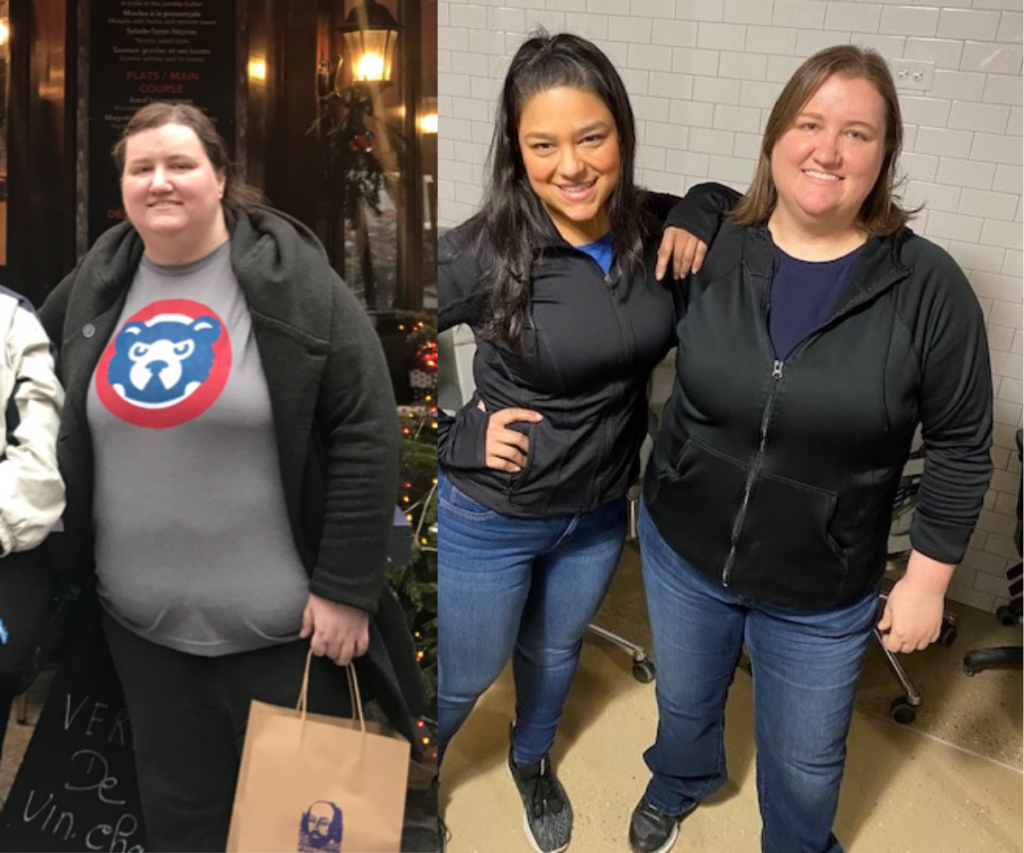





 More about Katie: Katie is a group fitness instructor at FFC and is also a personal chef based in Chicago. She specializes in creating delicious, healthy recipes for those with special dietary concerns like gluten-free, oil-free, plant-based, and low-residue. You can see more at