Strong Mind | Strong Body #3: Finding Balance in Fitness, Work, School & Life

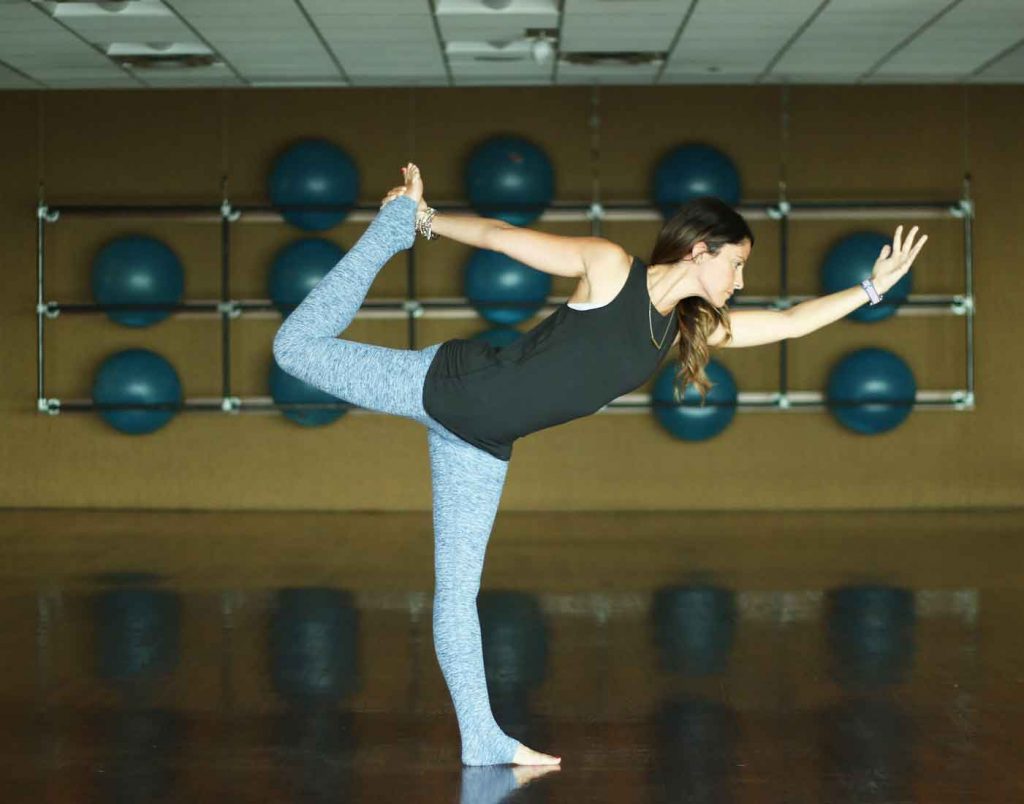
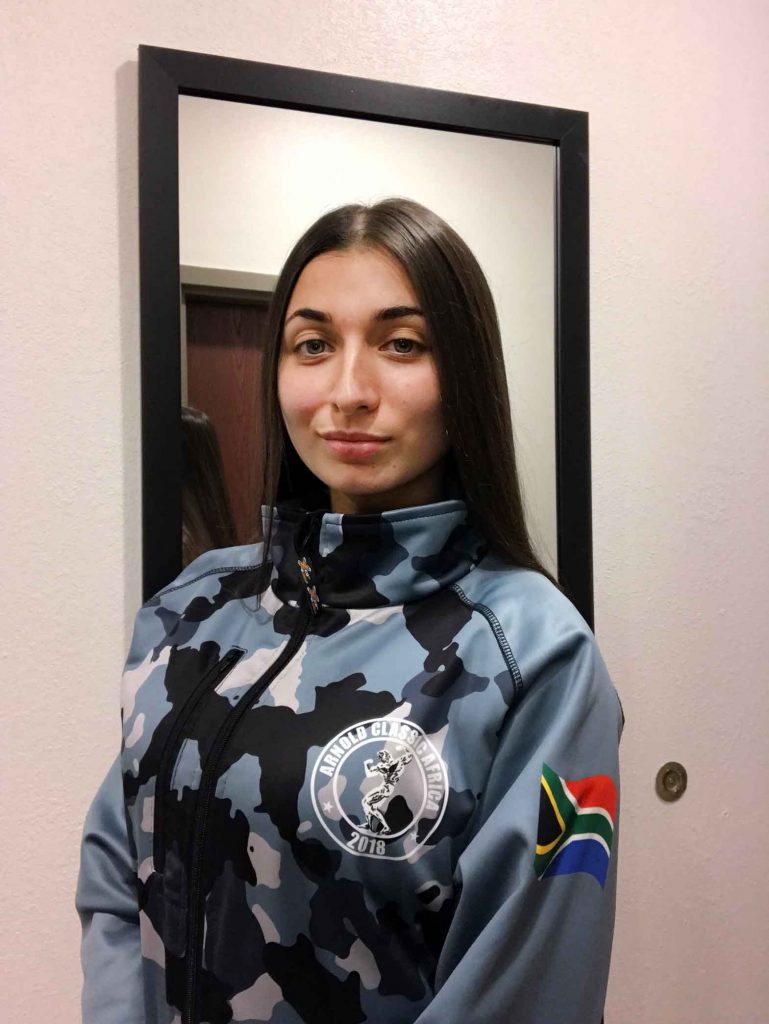
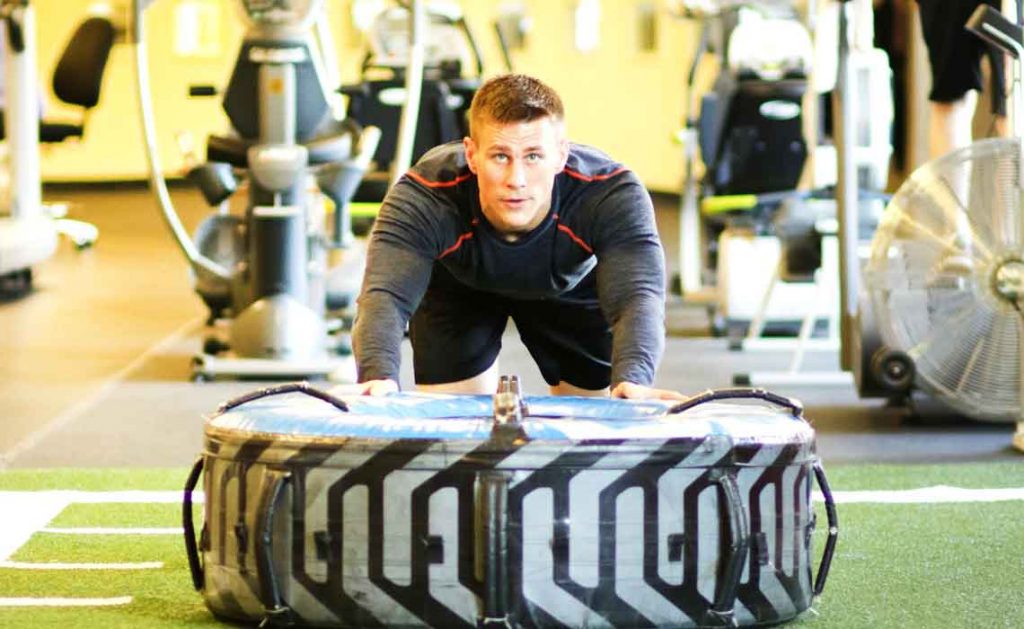
One of the most important lessons I have learned so far is finding balance. Personally, I practice a balance between the ying (relaxation techniques such as yoga and meditation) and the yang (high intensity/extremes like bodybuilding). Yin and yang is the concept of ‘duality forming a whole.’ We encounter examples of yin and yang every day. As examples: night (yin) and day (yang), female (yin) and male (yang).

Both of these concepts, when paired, balance each other out. If we lack one or the other in any aspect of our lives, we are not balanced. For example, if we feel overwhelmed and stressed out, we may need a ying influence in our daily lives such as yoga. If we lack energy, we may need a yang influence such as a cardio workout.

Finding Balance in Fitness
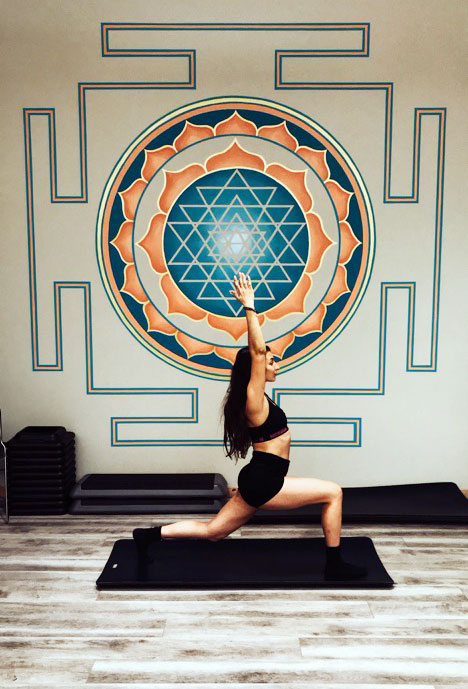
The balance of yin and ying ultimately supplement each other. If an athlete focuses solely on intense training, they have a high risk of injury. To perform at their ultimate best, it is important that they balance out their yang with the yin, for example, doing yoga several times a week to help with stretching and strengthening.

Before I learned the importance of having a balance, I would push past my limits in the gym. I was all about that yang, with little to no yin. Eventually, I pushed to the extreme and got injured (you can read about this in my second post in this Strong Mind | Strong Body series).

If it wasn’t for my injury, then I would not have worked on finding balance – and probably not found meditation and yoga. This not only healed my injury, but it helped me with anxiety and depression. Ever since, I practice daily balancing my yin and yang. That way I can perform at my best in the gym, at work, and in my personal life.
Finding Balance in Work, School & Other Aspects of Life

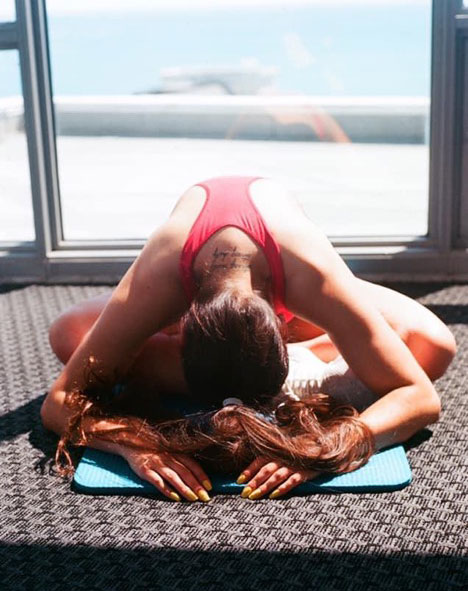
In addition to finding balance in fitness, it is important to have balance in other aspects of our lives, to prioritize our duties, families, friends and our hobbies. If we focus too much on one thing, the other things in our lives won’t grow. A lot of people in today’s society say that they don’t have time to work out because they are too busy. At the end of the day, we all have the same 24 hours, it just how we manage our time that will dictate what we can get accomplished.

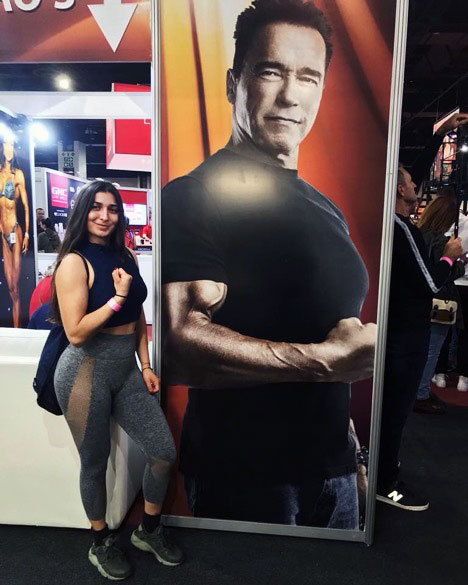
Ever since I started competing, I have either been a full-time student, worked full time, or done all at once. It is important to me that I do my best in all of these areas, but I couldn’t do that if I didn’t prepare ahead. My main priorities are school and work, fitness is my hobby and therapy. By narrowing down what is important to me, I am able to find what times would work best to go to the gym, meal prep my food, and do homework based around my work and school schedule.

Related: curious as to how Sophia found her inspiration for bodybuilding? Check out this post!

Typically, on my off days, I dedicate my time to meal prep for the week, relaxation, and running errands. By meal prepping, you save a lot of money in the end and you are able to stay on track of your diet. I find that taking my meals to work/classes helps me stay focused and keeps me satisfied all day. I also write down in my planner what times I have to train, depending on what time I work or have classes. I typically like to work out before work so I can 100% focus on my tasks and then relax after I finish working. If I am feeling tired before work or I don’t have enough time to train, I will do it after work. We all have responsibilities, but it is important to make time for the things that we are passionate about.

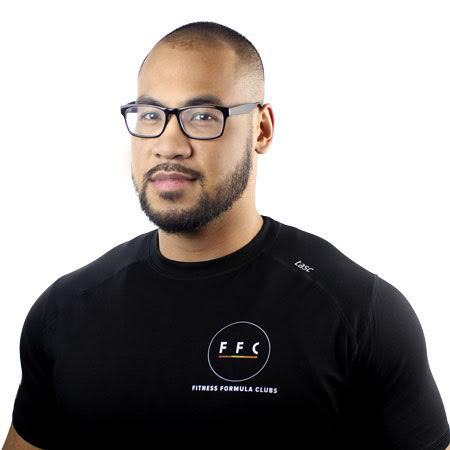
I am lucky that I work for a company like FFC which supports my goals in bodybuilding and gives me access to their elite clubs to train and work. I am constantly surrounded by like-minded individuals that are hardworking and motivated to succeed. Your environment and those who you surround yourself with will also dictate your success. By working at FFC in Old Town, I feel motivated everyday by my co-workers to execute my job, and our members working hard on the floor to achieve their fitness goals. It reminds me why I chose to work for here.

Post written by FFC Old Town membership representative Sophia Valbuena.

About Sophia
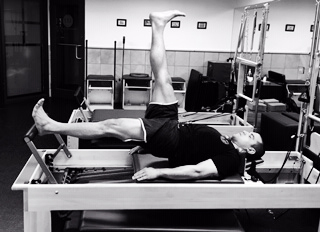
Pilates Myths – Busted

FFC Union Station Pilates instructor Nicole Gibson highlights two articles that cover some common myths about Pilates… busted! Check out her insights below.

Article: 6 Biggest Myths About Pilates (Women’s Health)

Brief Summary: the top 6 myths about Pilates, busted. Everything you think you know about Pilates, especially if you have never tried the fitness format before, will be completely changed.

Thoughts: this article is so great. It’s a quick read and an eye-opener for those who don’t really know what Pilates truly is. While there are many more myths out there, these 6 really get the ball rolling on setting the facts straight. I really enjoy how Danni Gilham (author) phrases each of her answers. You know instantly that she is knowledgeable on this subject.

I also completely agree with Gilham when she says she “always [recommends] new clients do their research, talk to the experts and find out what type of Pilates is best for the results they want to achieve”. It is so important to do your research, no matter what workout regimen you want to try, to find the best way to achieve your fitness goals. There is no “one-size-fits-all” solution, which is the great thing about Pilates because it is constantly being tailored to the body that is practicing it.

Related: What’s Pilates good for, anyway? A lot, actually! Here are 3 scenarios to check out.

Article: Pilates vs. Yoga (Pilates Method Alliance)

Brief Summary: yoga and Pilates are similar in the sense of a total body workout and achieving similar goals (i.e., flexibility, strength, postural alignment). However, their intentions are different. Yoga is meditative where Pilates is a systematic approach to physical movement.

Thoughts: I love this article because instead of pitting two great forms of exercise against one another, it simply and matter-of-factly describes how they are different. When I first started my Pilates training, I would get the question “Pilates, that’s like yoga, right?” and become slightly irritated. This article opened my eyes and mind to the similarities, as well as an appropriate way to distinguish, and describe, the two. My favorite sections of this article are the “Origins” and “Mind Body Connection” sections. I believe these are the most informative of the whole article and really clear up any confusion between what Pilates is and what Yoga is

Related: Pilates – the cross-training powerhouse workout. Read this to understand more about how Pilates can help you, especially when it comes to performance!

Bento Box Lunch Ideas for School (Or You!)

Does the sound of meal prepping your kids’ lunches (or yours) for the week sound horrible? Does eating the same lunch day after day sound even worse? Bored with sandwiches and salads every day? Check out these bento box lunch ideas for school…. or better yet, for you!

Bento boxes are essentially a lunch box with dividers, which are great for portion control. They are a great solution to help you stay organized and try a variety of foods throughout the week.

Related: need meal prep motivation? Check out this post!

Think of it as a deconstructed lunch. You get to have all the same components, just not all in one item, which help to make you feel more satisfied. 

Below are some tips for your bento box lunch ideas for school (or again, for work. No one’s judging!). Make sure your bento boxes include the following nutrition components:

  • Vegetables 
  • Fruits
  • Complex Carbohydrate 
  • Protein 

Bento Box Lunch Prepping

When you get home from the grocery store, spend 30-45 minutes knocking out the prep all at once! This is a great time to do preparations like cutting fruits and veggies so they don’t end up dying and in the trash a week later. Turn on your favorite tunes and have fun! 

Related: even more easy ideas for work lunches – goodbye, sad desk salad!

Easy Ways to Get Started: Bento Box Lunch Ideas For School

  • Box 1: turkey and cheese roll ups, whole grain crackers, cucumbers and grapes. 
  • Box 2: hummus, mini whole grain pita, blueberries, red pepper slices.
  • Box 3: southwest quinoa salad with corn and black beans, broccoli, strawberries. 

Tip: Add a ¼ cup of trail mix or a piece of dark chocolate to end your lunch on a sweet note!

When it comes to bento box lunch ideas for school (or especially for your midday meal) the key is to play around with different ideas and have fun with your food. Make it colorful and something that you can look forward to midday! 

Post written by FFC Elmhurst Registered Dietitian Alex Kruzel.

About Alex

Alexandra Kruzel, RDN, LDN, is a registered dietitian for Chicago’s Fitness Formula Clubs. She is originally from Ohio but loves the Chicago area – she even met her husband here! Alex loves spending her time going on adventures, playing and cooking with her 2 little girls.

FFC nutrition Chicago - consultation with a nutritionist

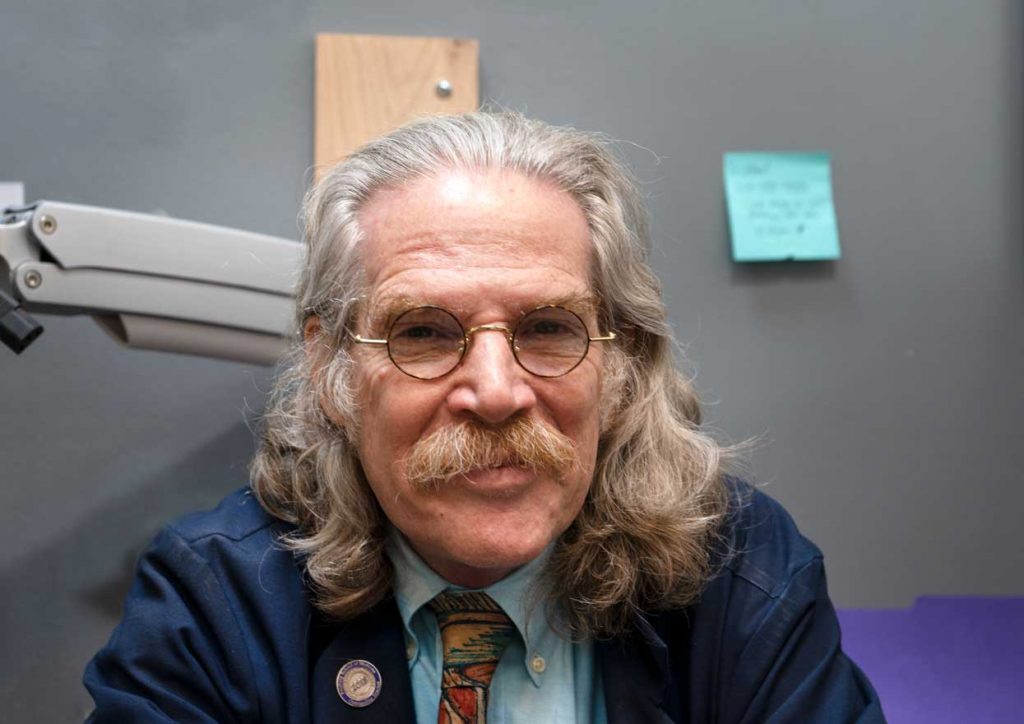
Member Stories: An Interview with Long-Time FFC Member Dr. Gordy Siegel

In honor of Fitness Formula Clubs celebrating its 35th anniversary, FFC marketing manager Megan Zink had the opportunity to sit down with one of FFC’s long-time charter members, Dr. Gordy Siegel, and learn a little bit about his experience in the community.

This interview has been lightly edited for brevity.

Megan Zink: You’ve been a member of FFC for quite some time. Since then, has it been part of a regular routine for you, or has it kind of ebbed and flowed? First of all, not many people can say they go to the gym on a regular basis, but you’ve been going to FFC for a while.

Dr. Gordy Siegel: It’s a very important part of my life.

MZ: Do you have any favorite kind of workouts? What do you usually do?

DGS: Watch a lot of TV, get a lot to eat – no. I just kind of do a little bit of this, a little bit of that, trying to stay healthy. It’s nice to see the new machines come in every so often. I watch other people to see what they’re doing, and if I think I can do it without killing myself, I’ll try it.

MZ: So do you think going to FFC on a regular basis has changed you, or given benefit to your life?

DGS: I think it’s aged me a lot.

MZ: Backwards!

DGS: I don’t know that it’s changed me so much as allowed me to enjoy life and stay healthy. I would imagine that without it, I probably wouldn’t have some of the advantages I do in terms of health.

Related: take advantage of a special Anniversary Month offer to join FFC in September!

MZ: Has anything notable happened while you’ve been there?

DGS: I remember Sundays – this goes back a while – I was watching a bunch of people play basketball. And one of them looked familiar. And I am NOT a sports person, by the way. You say the name of a team and I might know what sport they play. But that’s as far as it goes.

And there was a guy on the court, and I said to myself, ‘you know, he looks familiar…’ It was Michael Jordan. He used to come over and play pickup games with people at the gym. I guess he had a place on Lakeshore Drive and he would come over every so often – that’s kind of memorable.

It’s just a nice, nice place to go. I’m probably your best advertiser around. Over the years I’ve actually tried a number of different places – I’ve never left FFC – but FFC is just a nice place with nice people.

MZ: That’s part of the reason I started focusing on the stories so much – everyone you meet is just so nice!

DGS: And we span generations. Little kids like you, old farts like me. Everything in between.

I don’t know if Larry told you how I joined?

MZ: No, but I was very curious.

DGS: For years I had said that I should join a gym to be healthy. So then I heard FFC was opening up and I thought, ‘well, you know, I’ll walk over and at least give it a try.’ And I got hooked.

You feel better. I think it’s pretty universal. Days that I go – it’s not just physical – you mentally feel better. In many ways. If I get into a situation where I get busy – sometimes I’ll miss a week – you can feel a difference. Definitely feel a difference. It’s a passion. I fell in love.

MZ: So if you had to name a couple of top favorite things about FFC, what would they be?

DGS: Location. The location is very good for me. I’d have to say the people. And going that early in the morning – it’s not like people sit around and have a social hour. That being said, most of us who are there when the place opens up know each other. Maybe just by first name, but over the years you get to know people. And the more you get to know people, the more you like them. Very few jerks over the years. I guess it’s a combination of the facilities, the people – it’s a good, healthy feeling.

You feel better. I think it’s pretty universal. Days that I go – it’s not just physical – you mentally feel better. In many ways. If I get into a situation where I get busy – sometimes I’ll miss a week – you can feel a difference. Definitely feel a difference. It’s a passion. I fell in love.

Faction Family: The Fitness Community I Found at FFC

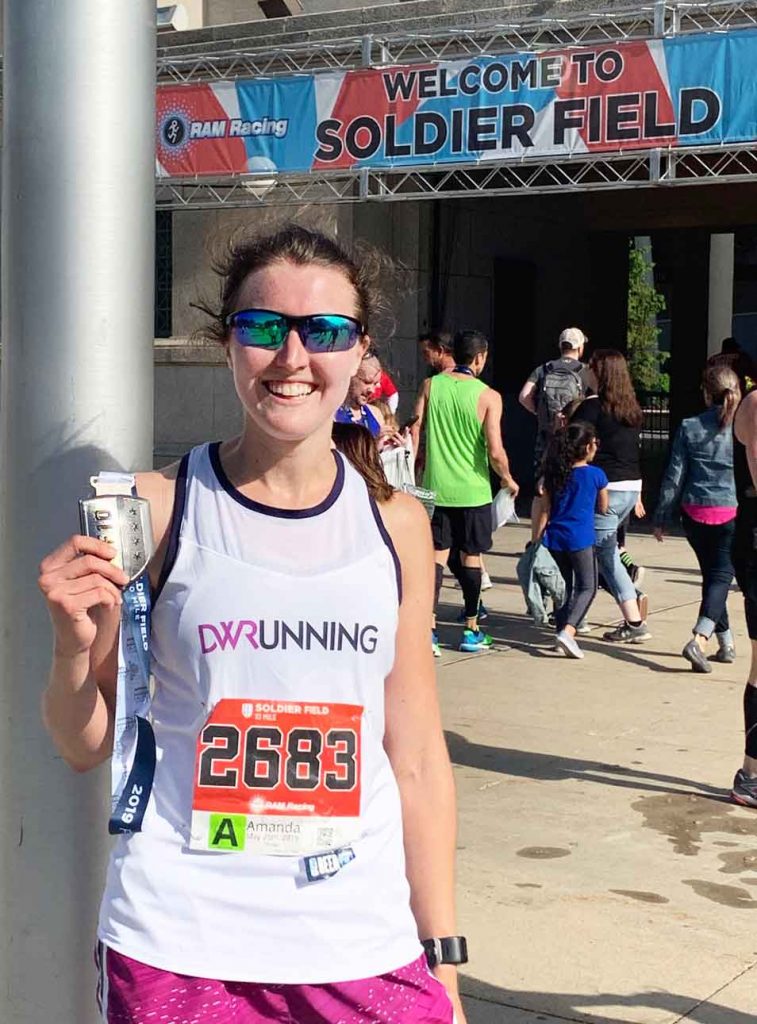
FFC Lincoln Park member Amanda George has been taking high intensity interval training classes in the performance training center (what is now called The Faction) and shares some benefits she’s achieved – including a new personal marathon record!

I have been an FFC member for about 2 years. Not only do I love the community there, but I have also seen excellent results. This past March, I was able to shave 15 minutes off my previous marathon PR to run a 3:13 on a hilly Atlanta course. It turns out that this effort was enough to earn me 3rd place female overall, which was a thrilling and unexpected experience!

I found my passion for distance running after graduating college. Therefore, I am not a very well-groomed nor experienced runner. However, I have always loved fitness and am willing to put in the hard work that comes with endurance sports. The PTC classes at FFC (now dubbed The Faction) have helped make that work even more enjoyable!

Related: why do HIIT and a sample HIIT workout for beginners!

Strength Training for Runners

I started consistently doing PTC (now Faction) classes a little over a year ago. While they do provide a cardio workout, the greatest benefit for me personally is the strength components. Although I could go out and run for hours, for whatever reason, it is hard for me to even make time for a 15 minutes strength routine, if left to my own devices.

However, once I get to class, the workout no longer feels like a chore. I get inspired by the great trainers and the group energy. Furthermore, the trainers provide feedback on my form as I go, which is something I really needed as a novice to some of these moves (deadlifts, kettlebell swings, clean/press, etc.). In my build-up to marathon training, I would attend class 4-5 times per week. This laid the groundwork of endurance and strength that set me up for a successful marathon training cycle and played a major role in my dramatic improvement as a runner.

Clearly a Community

Lastly, I can’t say enough about the Faction community. This past month, there were two occasions where we had donuts/brownies after class to celebrate a birthday and a going-away party. We may have un-done the workout with our calorie consumption, but we had fun! The trainers are enthusiastic, patient, creative, and encouraging. The positive tone that they set rubs off on the rest of the group, and I find constant encouragement from my “workout buddies.” 

Related: benefits of high intensity interval training and why you should give it a try.

Also, the trainers really go above and beyond. For instance, even when I paused Faction classes for a while (as I was ramping up mileage), they would ask me in passing how my marathon training was going. When I got an injury in the weeks leading up to the marathon, trainer, Jonathan Basuel, took time out of his busy schedule to show me a few stretches that would speed up my recovery. I didn’t even have to ask, but rather he just heard I was hurt and generously offered to lend his expertise. Experiences like that have won me over, so that I fully buy in to the power of the Faction and its strong community – in every sense of the word. :)

Post written by FFC Lincoln Park member Amanda George.

Related: trying to lose weight? Science says try HIIT!

Airport Yoga 101

FFC Park Ridge group fitness instructor and Yogi Pantra Shafaee-Hoeft shares some tips for incorporating a quick yoga practice into your travels for less stress.

The benefits of group fitness classes like Pilates and yoga are HUGE. Not only a great fitness format, yoga can help you calm your mind and your body. Airport yoga is rapidly becoming one of the best ways to center yourself before embarking on an adventure. Stress from security, flight delays or disruptions, crowds, and little to no control over much of anything can drain your energy and lead to bad food choices, no exercise/movement and lethargy. Airport yoga – and airports with rooms specifically dedicated to space to practice/meditate is a huge source of benefit to combat some of these stressors. Plus, yoga can also help combat blood circulation issues, stiffness and other issues related to travel or flying.

Related: the best healthy food options at the airport to stay on track.

I recommend you do a quick search to see which airports have yoga rooms. Most will have amenities like mats, water, etc. for you – but if you want to try to get a quick practice in on the go, it wouldn’t hurt to bring along a travel mat.

Tips for doing airport yoga:

  • Limit as many distractions as possible (put your phone on silent mode).
  • Carry disinfectant wipes to help keep extra germs at bay.
  • Simple poses and progressions are great ways to easily incorporate yoga in short timeframes.

Here are two choices (repeat each 3 times, paying attention to breath):

Sun Salutation A (Surya Namaskara A)

  • Begin with your palms together, at your heart
  • Standing Mountain Pose/Tadasana
  • Upward Salute/Urdhva Hastasana
  • Standing Forward Fold/ Uttanasana
  • Half Standing Forward Fold/Ardha Uttanasana
  • Four-Limbed Staff Pose/Chaturana Dandasana
  • Upward-Facing Dog Pose/Urdhva Mukha Svanasana
  • Downward-Facing Dog Pose/Adho Mukha Svanasana
  • Half Standing Forward Fold/Ardha Uttanasana
  • Standing Forward Fold/Uttanasana
  • Upward Salute/ Urdhva Hastasana
  • Mountain Pose/Tadasana

Related: do you balance your yin and yang? Here’s why you should!

Sun Salutation B (Surya Namaskara B)

  • Standing Mountain Pose/Tadasana
  • Chair Pose/Utkatasana
  • Standing Forward Fold/Uttanasana
  • Half Standing Forward Fold/Ardha Uttanasana
  • Four-Limbed Staff Pose/Chaturanga Dandasana
  • Upward-Facing Dog Pose – Urdhva Mukha Svanasana
  • Downward-Facing Dog Pose – Adho Mukha Svanasana
  • Warrior I, Right Foot/Virabhadrasana I
  • Four-Limbed Staff Pose/Chaturanga Dandasana
  • Upward-Facing Dog Pose – Urdhva Mukha Svanasana
  • Downward-Facing Dog Pose – Adho Mukha Svanasana
  • Warrior I, Left Foot/Virabhadrasana I
  • Four-Limbed Staff Pose/Chaturanga Dandasana
  • Upward-Facing Dog Pose – Urdhva Mukha Svanasana
  • Downward-Facing Dog Pose – Adho Mukha Svanasana
  • Half Standing Forward Fold/Ardha Uttanasana
  • Standing Forward Fold/Uttanasana
  • Chair Pose/Utkatasana
  • Mountain Pose/Tadasana

Post written by FFC Park Ridge group fitness instructor and yogi Pantra Shafaee-Hoeft.

About Pantra

Pantra Hoeft began her exploration with yoga 10 years ago with Bikram Yoga. After realizing how free and happy she felt being on her mat she enrolled in the 200-hour teacher training with CorePower in the summer of 2015 and decided to continue her passion and became 500-hour RYT through CorePower’s 300-hour teaching program this past summer.

In maintaining a mindful practice, she believes the mind-body connection teaches us how to live a fulfilling, healthy, and happy life on AND off the yoga mat. She encourages her students to play with their edge, while providing a safe, encouraging, and nonjudgmental environment where each individual can achieve their full potential. Check out the group fitness schedule to see when she teachers and stop by a class!

Keto Bodybuilding: Is It Possible?

FFC Oak Park personal trainer and former bodybuilder Justin Casipit shares insights and tips for keto bodybuilding – what the keto diet is, a keto bodybuilding diet plan and possible benefits/drawbacks of following such a program.

*Please note: this is not meant to substitute as medical advice and you should always consult your medical practitioner/nutrition professional before starting any program.

What is the keto diet?

The keto diet is a diet that essentially is high in fats, low to moderate in protein and little to no carbs (the ratio usually follows a 75% fat, 20% protein and 5% carb model, which was initially what was used when it was first utilized to treat epilepsy in medicine). The body goes into something called ‘ketosis’, predominantly using fat as fuel as opposed to carbs. The body produces ketones in the liver (through fatty acids) that the body can use when glucose (sugar) is low.

Bodybuilding mostly involves high protein, moderate carbs and low fat. This diet causes the body to primarily use glucose for energy. The difference between the two is related to the ratios of carbs and fats – so it’s heavily influenced by meals/food choices.

What are some eating guidelines for a keto bodybuilding diet?

Various adaptations of keto diets have appeared related to practical usage of the diet for the general public (esp. for athletes, etc.). Below are a few possible variations:

  • Cyclical ketogenic diet (CKD): commonly used for fat loss long before it was classified by ‘keto’ – it’s also known as carb cycling. It entails low carb days (keto days) followed by high carb/low fat days (refeed days). The ‘refeed days’ restore glycogen levels so intense training can be sustained, while still incorporating fat loss days through low carb keto days.
  • Targeted ketogenic diet (TKD): predominantly ketogenic with carbs ‘delivered’ in structured timing increments around training sessions.
  • High-protein/modified keto diet: similar to the standard keto diet, but with added protein due to the increased demands for training.

Ketogenic diet bodybuilding cutting: calories definitely still do matter when it comes to keto bodybuilding.

Calories can be calculated based on standard formulas or estimated based on your lean body mass – or you can get your basal metabolic rate tested (aka do an RMR test like this one). Based on your needs, your keto diet would have to be adjusted for deficit/surplus needs based on your goals – macros would fall within the confines of keto ranges. Keto bodybuilding is typically used for fat loss – not typically for bulking. It has been done, though!

Related: member stories – how FFC helped me win my first bodybuilding competition.

Are there any benefits of keto bodybuilding?

The most overall and well-known benefit to keto bodybuilding is weight loss. A diet like this one, low on carbs, is also helpful for reducing water retention. The keto diet as is great for satiety due to all the fats and protein – which is helpful for sustaining a ‘cut’. The regulatory nature of the diet may also be helpful for reducing sugar cravings. Some report feelings of increase mental clarity and focus when the body is ‘keto-adapted’. Finally, some followers of the diet have reported a keto diet has a ‘protein sparing’ effect, which is great for those trying to maintain as much muscle as possible.  

Are there any downsides to keto bodybuilding?

Since carbs play a crucial role in recovery and anaerobic performance, you may want to consider keeping cabs as a major player in your diet if your main goal is strength or muscle gain.

It’s also very important to keep an eye on your ‘keto adaptation’ – during that phase, the body loses a LOT of fluid and electrolytes, which would have an impact on training. Common signs of electrolyte imbalance include fatigue, nausea and more. Losing performance and energy during this phase is common – be sure to remain aware and replace fluids and electrolytes consistently during this period.

Related: nutrition 101 – how to balance macros.

What are some sample meals when it comes to keto bodybuilding?

High-fat and high-protein foods are commonly used in this diet – eggs, avocado, bacon, beef, poultry, salmon, cheese and nuts are typically utilized (also olive and coconut oils and butter). Leafy greens are great – most fruit is too high in carbs, but some berries can be included.

  • Breakfast – bulletproof coffee, bacon and eggs
  • Lunch – chicken salad over leafy greens, bacon, egg, avocado – with vinegar/oil
  • Dinner – steak/salmon cooked in oil with leafy greens or asparagus

Post written by FFC Oak Park personal trainer Justin Casipit.

Justin is a NASM-certified personal trainer and is also level-1 certified as a USA Weightlifting Coach (and a former competitive body builder). He has a degree in kinesiology, concentration in health and wellness promotion from University of Illinois at Chicago and is currently pursuing a masters in applied exercise science with a concentration in strength and conditioning through Concordia University. He is a proponent of functional movement and integrating mobility and strength with intentional human movement. Want to set up a complimentary consultation with Justin? Email him at jcasipit@ffc.com!!

FFC nutrition Chicago - consultation with a nutritionist

How to Choose the Best Classes at the Gym

Being in a group fitness class, surrounded by others, is a great way to motivate you to work hard, but is it the right class for you? Here are some of my tips for how to choose the best classes at the gym depending on what’s right for you, plus how to set your weekly workout schedule up.

Consider the time of the class.

Does the time work? When it comes to making a commitment, the most important aspect is timing – you have to choose a time that works with your busy schedule. I’ve found that people are most successful at choosing a group fitness class on the way to work or home or one that coordinates with drop off/pick up of kids.

Related: we get it – you’re short on time. Make it easier on yourself with this handy gym bag checklist!

Figure out the goals you’re trying to accomplish.

What are your goals? Weight loss, strength gains, training for a race or more flexibility? Each class will help you reach specific goals. A HITT or spin class will probably burn the most calories. A traditional yoga class improves core strength and flexibility, but a yoga sculpt class includes higher intensity with weights. You want your schedule to have a balance of resistance, cardio and flexibility –  too much of one can cause injury.

Set a realistic schedule that has some flexibility. 

Let’s be honest, things are thrown at us and our schedules every day that force us to move things around. When it comes to classes at the gym, have a second or even third option if you can’t make it to your first choice class.

For example, you can initially choose classes for Monday through Wednesday, but if you miss one, have a Thursday class as a backup. Otherwise, you can take Thursday as a day off. Remember if you properly perform a resistance training class, you are taking the muscles to an extreme fatigue (almost failure) level, and that requires a rest period of 24-48 hours. This means a day or two of rest should be scheduled into the week.

Related: recovery is SO important! Do you know which kind of massage is right for you, based on the type of fitness you do? Find out here.

Have confidence in your instructor. 

Before class begins, the group fitness instructor should explain what the class entails. Throughout the class there should be guidance on form and explanation of the movement. The instructor should both explain and demonstrate progressions and regressions. Try a find instructors you can connect with and who motivates you!

Yes, Manly Men Do Pilates: A Personal Account Plus Sample Workout by Natasha Tsoutsouris

The constant quest for most Pilates instructors? To get men to do Pilates. And not just any men – but the manliest men ever created. Sure, hearing the occasional professional athlete dude brag about his recent “despite all odds” love for Pilates is fine and all. But how accessible is Pilates to the Everyday Bro?

In order to find out, I decided to go on a Manliest Man Hunt. But…. .where does one even begin a search of this particular nature? My two older brothers? Goodness no. They don’t even take my phone calls! (On the real, they’re not THAT manly). My co-workers? Please. They avoid me like they get paid to! (I’ve met me, so I get it). Who? Who could be my Manliest Man winner? 

*snaps fingers* Ah ha!

Enter my homeboy, Nick Cimmarusti. A former sergeant in the Marine Corps, Nick also holds a black belt in Brazilian Jiu Jitsu (BJJ). That’s pretty darn manly! In addition to being a good friend, Nick is also my BJJ coach. He knows how much Pilates has saved my body, especially my back, after the ten plus years of havoc that BJJ training has wreaked upon it. But when I hit him up with the text, “Yo, Sergeant. You wanna try Pilates with me?” I could tell his delayed response of, “….Sure?” had roots steeped in skepticism. That’s cool. I’ve accepted far less enthusiastic responses from men before. I’m not ashamed.

In case you were not aware, the Marine Corps Boot Camp is the longest and toughest basic training in existence. It is thirteen weeks long, with more than 70 “training days” in a period of 12 weeks. To say that is is absolutely brutal is a laughable understatement. I wouldn’t last 25 seconds in that nightmare.

Related: find out if you have a muscular imbalance and how Pilates could help you.

So when Nick turned to me after doing three Pilates Roll Ups (where I was using the better part of my strength to hold his legs down), beads of sweat trickling down his face, and asked, “Am I supposed to be able to do these without you holding my legs??” I knew that Operation Make This Marine My Hare Krishna for Pilates was happening!

Every Wednesday, Sergeant Cimmarusti strides into the FFC Old Town Pilates studio and the following dialogue occurs:

“You ready for this, Sergeant?”

“Bring it, girl.”

And bring it, I do. 

Since both Nick and I do BJJ, I can really tailor his Pilates workouts to his needs. Due to the nature of BJJ, you spend a lot of time in the flexed position and the posterior chain is often neglected. Back, neck, and knee injuries are extremely common in BJJ practitioners, so we spend a lot of time on extensions, rotations, and really targeting the hamstrings and glutes. 

Every time, Nick is drenched in sweat, occasionally communicating his feelings through a common one-fingered hand gesture and peppering our sessions with comments like, “Yo! You are killing me!” after Single Leg Circles and, “You want me to do what now??” when I tell him, “Yes, those creamy gams are going up AND over your head.” He also happens to be an absolute beast in the Pilates studio, allowing the workout to humble him. 

Related: 4 ways Pilates makes you mentally stronger. Yes. Really.

So….if you’re a manly man, or even a normally manly man, do Pilates. It’s good for you. I promise. Just ask Nick.

If you practice Brazilian Jiu Jitsu, here are some Pilates Mat warm-up exercises you can do before class. Have questions? Shoot me an email any time at ntsoutsouris@ffc.com!

  • The Hundred
  • 10 Roll-Ups into Rollovers
  • Single Leg Circles – 3-5 sets in each direction, each leg
  • Swan Prep – 3-5 reps
  • Planks – Hold for 10 seconds, relax for 10 seconds. Repeat 10 times
  • Side Bends – 3-5 sets each side
  • Spine Stretch Forward – 3-5 reps
  • Saw – 3-5 reps each side
  • Glute Bridges – 10 reps
  • One Legged Glute Bridges – 2 sets of 10 each leg

Post written by FFC Old Town Pilates instructor Natasha Tsoutsouris.

About Natasha

Natasha is a top trainer with experience in Pilates and personal training, and is also one of Chicago’s top competitors in Jiu-Jitsu. She is also passionate about creative writing, storytelling and performing in Chicago’s comedy scene. Want to set up a complimentary consultation? Email her at ntsoutsouris@ffc.com!

What is Pilates Good for, Anyway? 3 Scenarios Perfect for Pilates & Their Benefits

What is Pilates good for, anyway? Nicole Gibson, a Pilates instructor at FFC Union Station, helps to answer that question by breaking down 3 articles that cover 3 different situations where Pilates can come in handy, plus gives her thoughts on each and why you might consider Pilates in each situation.

Pilates For Swimming

Article: https://www.bodyworkspilates.com/dive-into-pilates-for-a-faster-safer-swim?fbclid=IwAR0kvGw0Y82Mm18yBe0DEQhkaFxiFyyWm-8viTG1yibdeLsDvO-3ELt80Ok

Brief summary: the article pulls some perspective from Olympic gold medalists and how Pilates is a major contributor to improved/injury free performance, creating a faster, safer swim.

Thoughts: I believe this article helps make Pilates more relatable. In tying such a common hobby as swimming to Pilates (while going in-depth on its important principles) this article emphasizes how Pilates is complimentary to all forms of training. I especially appreciated how the article included breath and its importance to keeping rhythm and expanding lung capacity. 

In regards to Pilates, the Fletcher Breath technique is a diaphragmatic breath that oxygenates the body and, depending on the piece of movement, is utilized to expand the chest and thorax, initiate abdominal contraction, in addition to simply release all bodily tension. Outside of a Pilates studio setting, the Fletcher Breath technique can be used to awaken and energize or, conversely, to calm and center the mind and body. Overall, this is a quick and interesting read that shines some more light on the benefits of Pilates for every person’s body.

Pilates To Improve Bone Health

Article: https://www.bodyworkspilates.com/fletcher-pilates-in-your-bones-for-your-bones?fbclid=IwAR3gLfpZRva8eJK1_pf6LLKpPZ-DTb18Zkcl4SbK8sw0lnhN-B-K6dpw500

Brief summary: This article dives deep into our bone health and what research has found to be the best for improving, and maintaining, good bone health. Pilates is one of those ways.  Due to its resistance-based method, the bones are ‘loaded’, but in a safe yet challenging way. Strength and resistance training, such as Pilates, has benefits that aerobic, weight-bearing exercises cannot offer. 

The resistance springs in Pilates load the bones in many different directions, which can be extremely helpful with stability and balance. This article also touches on how our diets can affect our bone health. We always want to make sure we are eating our vegetables, getting plenty of protein, consuming calcium daily, and incorporating foods high in magnesium, zinc, and Omega-3 fats. People who adjust their diet to include all of the above show to have higher bone density. Healthy bones = longevity!

Thoughts: This article shares great insight on the ways different workouts impact our bones. Our bones are so important in keeping us upright and moving. With the resistance approach of Pilates, we are able to lengthen the muscles around the bones to ensure proper alignment, mobility and functionality, all while enhancing strength and stability. Pilates also focuses on the movements of our hips, spine, and wrists, which are the most likely to fracture.  Pilates in general is helpful for stability, improving balance, preventing falls, and loading the bones, but Fletcher Pilates (the style referenced in this article) really takes it to the next level with progressing the body through movements from lying down to sitting to standing, and ultimately, to moving across the room. I stand by the fact the Pilates is good for all bodies and can change the way you live your life for the better.  There are countless benefits; bone health is just one of them!

Pilates For When You’re Over 50

Article: http://www.activepilates.com.au/blog/pilates-over-50?fbclid=IwAR3w0giHJfoTgj8r1vHp0cbL5InfW0pXwNnRIz2o1AxL54Xf2XBeO9P-izA

Brief summary: Feeling healthy and strong feels good! And Pilates has a lot of benefits to give you that feeling. Some benefits include lower blood pressure, back injury prevention and a great mind-body routine. Joseph Pilates, the founder of the Pilates Method, created ‘Contrology’, and described it as “the conscious control of all muscular movements in the body.”

Thoughts: This article is a great way to encourage those that think “I’m too old for that” or “I’m not in good enough shape to do that”.  I have had countless people, young and older, tell me they can’t do Pilates because they aren’t flexible enough or strong enough. That’s crazy! Pilates was created to improve those aspects of your well-being. Pilates is not about how much range of motion your muscles and joints allow; rather it is about finding conscious control of all muscular movements. As a matter of fact, that is exactly how Joseph Pilates, the founder of the Pilates Method, described it. Wonderful benefits and byproducts of practicing this work include increased flexibility, stronger and more stable muscles, and weight loss. Therefore, even if you aren’t as flexible as you think you need to be to do Pilates, doing Pilates will make you more flexible!

About Fletcher Pilates

Please note: some of these articles focus on a style of Pilates called Fletcher Pilates – which is what I am trained in – Ron Fletcher was one of the 5 first generation teachers who studied this work under Joseph Pilates. Ron Fletcher also worked very closely with Martha Graham, therefore took Joe’s movement mechanics, principles, and intentions and furthered explored them through a dancer’s eye. Fletcher Pilates® includes emphasis on a percussive breath as well as seamless transitions between movements in order to achieve a flowing motion and improve endurance. I earned my certification through this Fletcher studio/school, so I am very familiar with any specific or unique tie to the Fletcher work.

Post curated/written by FFC Pilates instructor Nicole Gibson.

About Nicole

Nicole is a PMA-certified Pilates instructor at FFC Union Station She is from Hinsdale, IL and comes from a dance background. Nicole came to FFC to share her love and knowledge of Pilates and to provide quality, low-impact movements to enhance strength, flexibility, stability, coordination, and mobility throughout the entire body. 

Overall, her goal is to have her clients feeling good and be able to do anything they set their minds to. Want to learn more about the benefits of Pilates or set up a complimentary session with her? Email her at ngibson@ffc.com!

Get to Know Your Trainer: An Interview with FFC Park Ridge’s Mike Meyers

How many of you walk into a Fitness Formula Club to meet with a trainer? One. Three. Five. Okay, let’s cut to the chase. There are a handful of members who seek out a personal trainer when they join a Fitness Formula Club. Every member has their own story, and a specific purpose for being in the gym. 

When you are paired up with an FFC trainer, a consultation is set. This initial consultation is catered to meet the demands of the client. An assessment is done of their current physical fitness performance, goals for the future, and steps to take to reach those goals. FFC trainers are coached to develop a relationship with their clients. Obvious, right? Who wants to work with a trainer who is not personable, and helpful? Nobody. A trainer is present to walk the client through exercises, listen to their pain points, and even lend an ear to whatever may be going on in their life.

Now think about this: how often might you ask your trainer questions about their lives? More than the common “How’s your day going?” or “Where did you go to school?”. 

Fitness Formula Clubs does a great job in showcasing trainers at each location by featuring their photos with a list of certifications and areas of specialty. To take that one step further, I decided to run around FFC Park Ridge with new trainer, Mike Meyers, to learn about his purpose for training.

FFC personal trainer

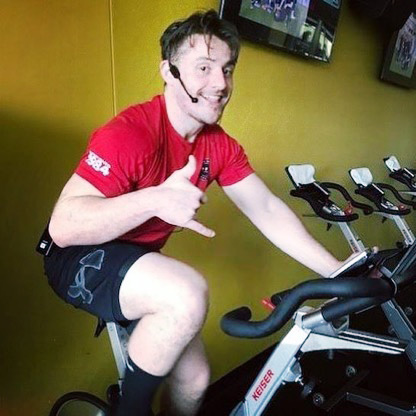
Beginning with the company as a fitness specialist, Mike recently moved into the position of full-time trainer. Previously, he had been teaching yoga with Core Power, but traded his yoga mat for a spin bike.

Related: how to find moderation in fitness & wellness for more sustainability.

Behind the Scenes: A Q & A With Mike Meyers

I always find getting to the root of someone’s ‘why’ is important, so I asked all the questions I could think of to learn more about Mike and his passion for training.

How did you become so passionate about health & wellness? 

Growing up, I struggled with my weight. I was always known as the “fat” kid, and constantly made fun of. I knew that this was something I wanted to change. I’ve always been an active kid, and thought I would one day pursue physical therapy. As I learned the course of my bachelor’s degree, exercise and operating at a healthy weight has both physical and health benefits. This instilled in me a passion for pursuing a healthy lifestyle. 

What is most rewarding in being a personal trainer? 

As a personal trainer, I’ve been able to watch my clients progress in a positive way, and towards a lifestyle they’re proud of. There is nothing more rewarding than that. I often hear from others that they think physical activity/working out has to be torture. That they only step foot in a gym for the physical adaptations. The fact of the matter is that the changes people experience through working out, go far beyond that. 

My clients experience new-found energy, increase confidence in themselves and are able to implement a healthy lifestyle for the future. Spotting these changes in a client is incredible. When you work so closely with someone, knowing what brought them in to train, and watching as they grow to accomplish their goals, is unbelievably rewarding. 

Why did you decide to pursue a career with Fitness Formula Clubs

I grew up in Niles, IL and remember passing by as the club was being built. After obtaining my personal training certification through W.I.T.S, an internship was offered to transition graduates into the personal training environment. FFC was one of the locations on the list and I knew right away I wanted to be there. I got in contact with Senior Director of Fitness Jon Baraglia, and he connected me to fitness director Sarah Ashenden. Once I toured the club and caught up with other personal trainers, I knew this was the place for me. I fit in here.

Two days into my internship I became a fitness specialist. This gave me the opportunity to absorb knowledge by having conversations with many FFC Park Ridge trainers. I worked hard, did my best to learn as much as I could, and in doing so I transitioned into full-time personal training a few months later. I couldn’t be happier with my decision. 

What are you currently in school for? Why? 

I’m in school working toward obtaining my master’s degree in healthcare administration. After graduating from the University of Missouri with my bachelors in health sciences and a minor in psychology, I was dead-set on physical therapy. I pursued that career path by working for an Athletico clinic. My goal was to gain experience, but after the second round of applications, and not being accepted, I knew I had to start looking elsewhere. I had a gut feeling and passion to remain in healthcare, but I wasn’t sure what opportunities were available to me.

Interestingly enough (haha), I found healthcare administration with Governors State University, which is MHA-accredited. The only reason I’m with FFC is because I obtained my personal training certification through Governors State University. I took the opportunity, not knowing where it would lead. Everything happens for a reason. If you haven’t realized it by now, life isn’t a straight path. Not everything you plan is going to happen. If the plan I had set for myself a few years back panned out exactly how I thought, I wouldn’t be here today, speaking with you. I wouldn’t have made all these amazing connections with individuals at FFC. I’ve learned so much over a short time frame, and I’m very thankful for the opportunity that was presented to me. 

What is your preferred way to train? For yourself and with clients? 

I train my clients very similarly to how I train in my everyday routine. Before Fitness Formula Clubs, I was the classic HITT isolation guy who ran 6 miles (as fast as I could). I didn’t allow myself to cross train or stretch, and instead I’d use isolation lifts after running. I don’t suggest following my old ways. I looked good, but my body didn’t feel good. At 22, I threw my back out. I knew my body craved something different, by starting at FFC, I was able to learn the importance (and the effectiveness) of functional training and waving heart rates.

Functional training is placing focus on mobility, stability, muscular strength, and finally explosion. It not only shows more effective results, but improves everyday functioning. Learning correct movement patterns, mobility needed for those patterns, stability to be in those patterns, and then the strength to move properly within the patterns, helps prevent injury, and increase the quality of life. 

Related: FFC’s functional performance offerings can help build mobility & important skills. Check out this post about how it works!

How do you build relationships with your clients? 

Be a genuine individual. It goes along way. Many times, those coming into FFC for the first time are nervous, and insecure about what they know. By relating to them on a personal level, learning who they are, what they like, and what challenges they’re experiencing is beneficial to the client-personal trainer relationship.

I explain to them that it’s my job is to get them to their goals in the most productive and effective way. I find it helpful to explain my story as well, by sharing my view on training a client is often more receptive and willing to open up sooner. My client relationships are the foundation of each session. It’s important to communicate, trust, and challenge each other. 

Do you have a quote/mantra that inspires you? 

“If you want change, you must create it.”

“And I have no control over which yesterdays I keep and which ones get deleted. This disease will not be bargained with. I can’t offer it the names of the US presidents in exchange for the names of my children. I can’t give it the names of state capitals and keep the memories of my husband.  …My yesterdays are disappearing, and my tomorrows are uncertain, so what do I live for? I live for each day. I live in the moment. Some tomorrow soon, I’ll forget that I stood before you and gave this speech. But just because I’ll forget it some tomorrow doesn’t mean that I didn’t live every second of it today. I will forget today, but that doesn’t mean that today doesn’t matter.” ― Lisa Genova, Still Alice

Conclusion

If working with an FFC trainer, I suggest you do the same – ask the questions. Get to know who you’re training with. Every trainer has their own story, just as you and I do. 

Post written by FFC Park Ridge Kids’ Club Supervisor Carolyn Perry; photos provided by Carolyn Perry.

Follow along with Carolyn on her Instagram here!


Farmers Markets 101: Reasons to Shop at Your City’s Farmers Markets

Farmers markets are one of the best parts of warmer weather and a fun way to learn about your food and where it comes from. If you are not accustomed to purchasing your food at a farmers market, it can be stressful and confusing to know what to buy and why. Continue reading below to learn about 5 reasons to buy your fruits and veggies at your local farmers market!

You are supporting local farmers.

Buying from a local farmer allows you to support local agriculture, which means that the food you are eating comes from nearby.  Local produce does not require a lot of pollution, extra packaging, and energy waste used to ship food around the world.  Food in the U.S. travels an average of 1,500 miles to get to your plate.  Food at the farmer’s market is usually travels from shorter distances and is grown using methods that minimize the impact on the earth. 

Related: 10 easy ways to increase your veggie intake.

You are eating seasonally.

By shopping at a farmers market, you will eat seasonal, fresh, and ripe products.  Because it was grown locally, there is a good change that the peach you buy was picked just a few days ago.  When you shop at a grocery store, you do not always know where the product is coming from or when it was picked/shipped/delivered.

You may be eating safer foods.

Many outbreaks of food-borne illnesses can happen due to large industrial settings, where people work to mass produce food, preserve it, and bag it in large amounts.  Food from your local farmers market is generally safer.  Since many local farmers do not work in mass production, the contamination risk can be lower.

Related: ridiculously good recipe – cauliflower mash with yukon potatoes.

You are nourishing yourself.

Much of the food in grocery stores is highly processed and grown using pesticides, hormones, antibiotics, and genetic modification.  These practices may have negative effects on human health.  Most of the food found at the farmer’s market is minimally processed, picked right before the market, and produced using sustainable techniques

Most importantly- farmers markets are healthy and fun!

Going to the farmer’s market doesn’t have to be another chore on your “to-do” list.  Shopping at the farmer’s market is a fun event for the whole family.  It is a great way to get involved in your location community, feel connected to the world, and increase healthy for your mind and body.  There’s just no way around it- eating fresh, local products are great for your health!

Related: healthy hack – how to avoid mood swings with veggies.

Post written by FFC Gold Coast Registered Dietitian Chelsea Rice.

About Chelsea

Chelsea is a registered dietitian for FFC Gold Coast and Old Town and is passionate about making healthy living sustainable, practical and fun. When she is not in the club, you can find her at the dog park with her puppy, Maple! Want to schedule an appointment with Chelsea? Email her at crice@ffc.com!

My Resting Metabolic Rate Test Experience & What I Learned

FFC group fitness instructor Omar Romero shares his experience with a resting metabolic rate test and what he gained from it.

As I continue to incorporate fitness into my life, I always ask myself if I’m eating enough. Am I eating enough food to not only maximize my workouts, but also get through the work day without feeling sluggish?

I started evaluating how many calories I was taking in a day with MyFitnessPal and deducting my calories burned via Myzone. The app would show that I needed to eat more calories, but I wasn’t sure if the number was accurate. I found myself asking ‘how many calories should I be eating?’ ‘What does my body need to get through the day?’ ‘What does my body need to get through the day when I work out?’ ‘What does my metabolism look like?’

I work out in the morning before work, and sometimes during lunch if I’m following a two-a-day schedule. I found myself getting the afternoon crash (post-lunch) but, it wasn’t because I ate too much. I have a shake around 1 PM with vegetables, so I knew it wasn’t the food I was taking in. I started looking at ways to discern if I was 1) eating enough, and 2) if not, how to find out how many calories I should be eating. I contacted FFC registered dietitian Alicia Huggler for advice – I went to her because she especially understands the needs of someone who manages a daytime career while also balancing fitness. She recommended I take a resting metabolic rate (RMR) test to discover some of my baseline numbers.  

What is a resting metabolic rate analysis?

An RMR analysis tells you precisely how many calories your body burns all day, every day, just to stay alive. This does not include any activity such as exercising, sports, and/or everyday movement. This analysis evaluates your body at rest.

Why is knowing your resting metabolic rate important?

The RMR analysis is important because it will help you identify what your body does on a day to day basis as it pertains to calorie consumption. Think about keeping your car on at idle. If you’re someone who engages in daily physical activity, the data gleaned from this test can be crucial to performance outcome and recovery.

Why is recovery important?

As you can tell, I skipped over performance outcome because I believe it goes without saying that you need fuel to perform. You need fuel to recover because your muscles need the nutrients. If skipped, you may experience low blood sugar, feeling fatigue, or an injury. I’m not a sports doctor so I will not dive into that subject. Case in point, food is necessary after a workout. 

Related: Balancing macros 101: yes, fats can be good for you. Here’s how to make sure you’re getting a well-rounded diet.

What did I learn from my resting metabolic rate test?

Before I dive into what I learned from my resting metabolic rate test, please be aware that results and their outcomes will vary from person to person, and it’s important to understand that what might work for one person, might not work for another. It’s similar to the way some people fuel their bodies with fat instead of carbohydrates (such as in Paleo or Keto). Everyone burns fuel differently and at different rates. This analysis takes your metabolic rate and compares it to what is considered “normal” for your age, height, weight, and sex.

Based on your results, the analysis will tell you whether you need to increase or decrease the amount of food you’re taking in daily. This will give you the data you need to understand what your body needs.

For example, I learned that for someone with my physical activity level and metabolic rate, I need to take in more food through the day. I needed to increase the amounts of fat being taken into my system. I physically looked like I was healthy, but my insides where asking for fuel. You can only operate at that level for so long before you experience negative effects.

Final Thoughts

Whether you’re an athlete, someone who exercises moderately or are just curious about how your body functions, I recommend taking the time to understand the vehicle of life, which is your body. You evaluate the way you perform at work – why not see the way your body performs at life?

Post written by FFC group fitness instructor Omar Romero.

About Omar

Omar is a group fitness instructor at FFC – you can catch him teaching Total Body Blast, FitCore and other formats. You can also follow along with him on Facebook here or Instagram here!

FFC nutrition Chicago - consultation with a nutritionist

Strong Mind | Strong Body #1: How I Discovered My Passion for Bodybuilding

Have you ever had that one ‘aha!’ moment that changed your life? For me, that ‘aha’ moment was back in August 2016, when I trained at the USA Gym in Bridgeview, IL. Prior to this, I was already a regular gym-goer, but I did not train with a purpose. Personally, for me to be successful at something, I need to have a goal. At this point, I was already working out, but I did not have a set goal.

Identifying My Passion for Bodybuilding

Deep down, I was filling an empty void. When I wasn’t in the gym, I felt like an outsider, I put my energy towards things that didn’t matter, such as negative people and partying. In the gym, I felt safe enough to be myself; it was the only place that really matched my energy. I knew in my gut that the gym was not only my safe space, but it was my calling in life… I wasn’t sure what that was yet, but the day I trained at USA Gym changed my life. My dad and I would work out together at a local gym in our town, but one day we decided to switch it up. He asked me “Are there any bodybuilding/hardcore gyms in the area?” So, we looked online and found a gym called USA Gym nearby.

Discovering Destiny

The moment I entered the old-school bodybuilding gym, I had an internal feeling that spoke to me and said ‘You are home’. The walls were covered with famous bodybuilders stage pictures and their signatures. I saw photos of bikini competitors on the wall and I said to my dad “I am going to be on that wall”. That day, I hired a prep coach and committed to compete in May 2017. Since then, I have competed in 4 bodybuilding competitions, and qualified for nationals this summer of 2019. The more I learned about bodybuilding, the more I realized my purpose in the sport, which is that I will become a Pro Bikini Competitor and work toward winning the Miss Bikini Olympia title. I don’t know when it will happen, but I know in my heart and gut that it is my destiny.

I have participated in plenty of activities before, such as dog showing, horseback riding, karate, cross country and tennis, but nothing has fueled a fire inside me like competing. What makes this sport so unique is that it is a 24/7 commitment. Every meal, training, gallon of water, minute of sleep and pose impacts how you will place at a competition. By setting daily goals for myself toward my competition, I win every day because I stay on my plan 100%. Currently I am less than a month out for my first national show in Las Vegas and less than two months for my second national show in Pittsburgh (If I don’t turn pro). This is just the beginning and I hope that you will join me on this journey to the Olympia Stage!

About Sophia
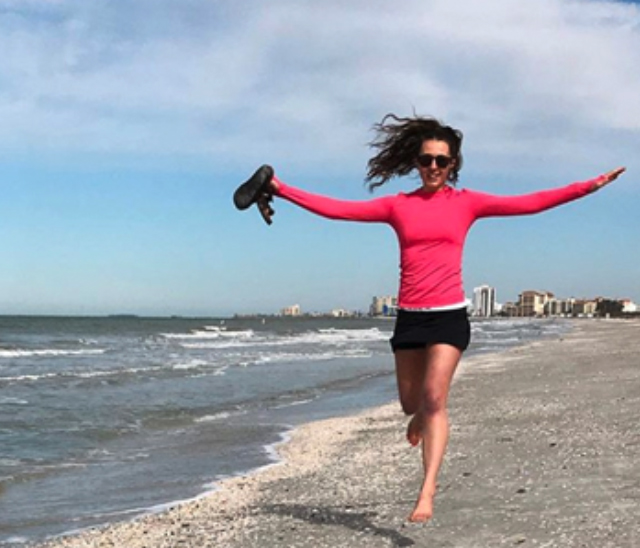
Sophia Valbuena is a membership representative at FFC Old Town. She has been in the fitness industry for over 5 years and it has entirely changed her life. In this series, Strong Mind | Strong Body, she will cover how she got into fitness, as well as mindfulness, nutrition, motivation and time management tips. Stay tuned! In the meantime, you can follow along with her on LinkedIn here and Instagram here, as well as check out a behind-the-scenes article she wrote about her bodybuilding experience here.

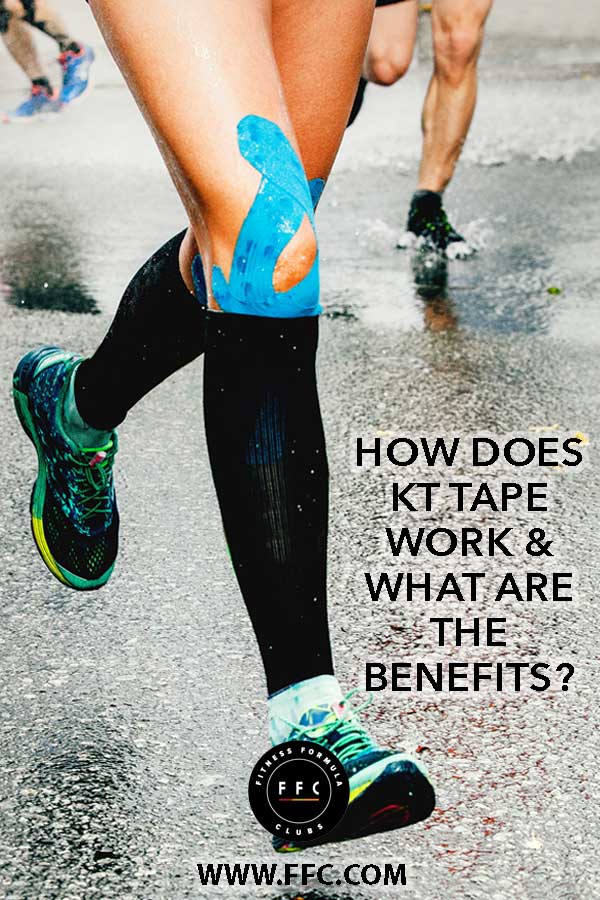
How Does KT Tape Work & What Are Its Benefits?

If you are involved in fitness in any way, you’ve probably heard of KT tape. But how does KT tape work? What is it used for? KT tape was developed by chiropractor Dr. Kenzo Kase in Japan in the 1970s. The use and popularity of the tape has risen in recent years due to the endorsements from doctors, physical therapists, and pro athletes such as NBA all-star James Harden and 3x Olympic Gold medalist Kerri Walsh Jennings.

Unlike standard athletic taping, which is rigid and locks a joint and its musculature in place, KT tape is elastic and allows the body to move through its natural range of motion. Once applied, KT tape is usually good for 3-4 days and is waterproof (so yes, you can shower!). Kinesio tape is sold commercially and most likely in your local gym (FFC carries it in the sports shop).

Please note: This blog is not medical advice and is for educational purposes only. If you have any medical concerns please be evaluated by your licensed healthcare professional.

Kinesiology Tape Benefits

Kinesio tape is used for a variety of musculoskeletal issues including, but not limited to, carpal tunnel, patella tendinopathy, lateral and medial epicondylitis, and more. Depending on the technique used to apply the tapes, several benefits can be reaped. By microscopically lifting the top layer of skin from the other layers, an increase in blood circulation and drainage by the body’s lymphatic system can be created, clearing waste and potentially decreasing edema and inflammation.

This gentle lift of the skin may also decrease the pressure on pain receptors located throughout the body to provide temporary pain relief. Kinesiology tape benefits may also include helping to facilitate underactive muscles while inhibiting overactive muscles to help create balance in chronic overused areas (such as the upper trapezius muscle). Although the tape is elastic, it does, with the right tension, provide a sense of stability and protection for joints such as at the knee and ankle.

Who Can Use KT Tape?

Kinesio tape can be used by a wide variety of people, ranging from toddlers and the average working citizen to professional athletes. Those with sensitive skin or allergies should check with their dermatologist or physician before applying the tape. If skin becomes red or irritated, immediately and carefully remove tape.

Common areas of application include:

  • Shoulders
  • Forearms
  • Wrist
  • Knee
  • Ankles

Have more questions about KT tape or want to set up a complimentary consultation? Email Joshua Jernigan at jjernigan@ffc.com!

Important note: Kinesio tape is not a cure for any orthopedic issues, it is simply a tool to help in your recovery. The real solution is getting to work and doing what you are designed to do –  move… and move often. In the gym is where long term change is made.

Post written by Joshua Jernigan, Personal Trainer FFC Oak Park.

About Joshua

Joshua received his bachelor’s of science in kinesiology and health promotion in 2018 from the University of Kentucky and has a background in orthopedics and performance, guiding elite high school, Division I and professional athletes through rehab. He also specializes in working with the aging population to deal with post-operative shoulder, knee, hip and ankle surgeries, etc. You can set up a consultation with him by emailing him at jjernigan@ffc.com!

Sources for How Does KT Tape Work & What Are Its Benefits

Drouin, Jillian L, et al. “The Effects of Kinesiotape on Athletic-Based Performance Outcomes in Healthy, Active Individuals: a Literature Synthesis.” The Journal of the Canadian Chiropractic Association, Canadian Chiropractic Association, Dec. 2013, www.ncbi.nlm.nih.gov/pmc/articles/PMC3845470/.

Mateo, Ashley. “What Exactly Is Kinesio Tape-And Does It Really Work?” Runner’s World, Runner’s World, 11 Mar. 2019, www.runnersworld.com/health-injuries/a23791766/kt-tape/.

SAVE THIS FOR LATER ON PINTEREST

Try a Manual Treadmill: Here’s Why You Should Check Out the Woodway Curve for Strength & Endurance

Have you noticed a new piece of equipment show up to the cardio area of your club over the last few weeks? Or perhaps it’s been there for some time but you’ve yet to try it out because of its unique, spaceship-like concave design. That new piece of equipment is a manual treadmill – the Woodway Curve – an evolution to the traditional treadmill.

The Curve is not belt-driven and has no motor. It is completely self-propelled, meaning you produce all the energy to power the machine and it more closely resembles outdoor running conditions then the traditional treadmill. Because of this, the Curve is great for all fitness levels and is a great tool for weight loss, sports conditioning and interval training.

How Do You Use the Woodway Curve Treadmill?

  • Start by stepping on from the side, into the bottom of the Curve.
  • Hold on to the rails and begin to walk at a controlled pace with short strides.
  • Once you feel controlled and are comfortable, increases your speed by walking higher up the Curve with longer strides.
  • When you’re at a steady pace (such as a light jog or run), release the rails.
  • Jog or run for as long as tolerable.
  • Dismount the treadmill by grabbing the rails and moving your feet to the sides, off the belt.

Try this Sample Woodway Curve Treadmill Workout

Now that you’ve got the gist of how to use the Curve, let’s turn your training up a notch!

Here’s a workout for that can be done on the Woodway Curve manual treadmill (though this workout can also be done on any treadmill, in any running scenario).

1. Walk, jog or run 1 mile

2. Every 1/10th / .1 mile, step off the treadmill using the above procedure and perform…

  • 5 squat jumps and 5 push-ups (beginners)

– or –

  • 10 burpees (advanced)

3. Reduce distance and repetitions to suit your fitness level.

4. Note the time it takes to complete the task. Repeat once a week with the goal of matching or producing a faster time of completion.

Related: try this other quick treadmill out over your lunch break.

The Woodway Curve will add a new twist to any treadmill workout. Give this a try the next time you are in the club, in place of your normal cardio run – it’s a great way to spice up your steady-state run workout by turning it into an interval workout to target multiple energy systems. Because it’s a manual treadmill it’s also highly efficient: for the time it takes, it burns massive calories!

Please note: take your time and focus on moving safely before you add intensity to any workout. If you have any questions or concerns, please ask a personal trainer for assistance. It is our mission to help our members produce great results. We’d love to assist you in any way possible towards doing so!

About Marques

Marques is a master personal trainer at FFC East Lakeview specializing in weight loss, strength and conditioning for sports-specific activities. His mission is to help you find the path to becoming the best YOU that you can be. Want to set up a complimentary consultation with Marques? Email him at mchaplin@ffc.com! You can also check out his printable workout here – bring it with you the next time you go to the gym!

How to Do a Digital Detox (After Figuring Out If You Need One)

Jeanne Barker has been with FFC for over 8 years, and in addition to her extensive fitness background, she also specializes in stress management and other wellness topics. She is excited to contribute her expertise to the Formula content platform, as a series titled Formula for Wellness. Here, in her first post, she explores the concept of digital toxicity and tips to help you consider if you need a break and how to do a digital detox.

At a time when we have an abundance of virtual communication choices, more may not be better.

As what happens so often with progress, the pendulum swings and the not-so-wonderful-aspects begin to show themselves. When it comes to the amount of technology we have in our lives, the backlash is real.

Digital toxicity is the term used to categorize a set of behaviors that include:

  • Compulsively checking your phone
  • Have difficulty completing tasks without checking your devices
  • Your device is the first and last thing you look at every day
  • You have trouble making it through a meal or in-person conversation without checking a device (1)

The Evolution of Virtual Communication: Didn’t See That Coming

Thinking back, a glimpse into the current issue of digital toxicity probably started when cable companies began to proliferate. We marveled over how many channels we had to choose from. The pop-culture image became a zombie-like person, clicking, clicking, clicking the remote control – mindlessly scrolling through channels. It was coined ‘channel surfing’.

Then came gaming. There was a time when gaming was a childhood activity, however the evolution and sophistication of gaming quickly made it a mainstay into adulthood. Now, at least 20% of the population continues gaming into their fifties. (2)

Next came the explosion of the Internet and with that, email. Email and Internet access is a near necessity in almost any setting. We rely on the eye in the sky for everything from our GPS system to our nanny cams. There are 300 million cellphones in use in the U.S. and available on them, a myriad of apps. The top communication apps being Facebook, Instagram, YouTube, Twitter.

Our Brains Can’t Process Everything Coming at Us

Why be concerned with how much time is spent in the digital world? Because even too much of a good thing is bad for you. Digital overload impacts the health of individuals and groups in different ways. Research has shown that as information input increases, the decision-making capacity in our brain begins to rapidly shut down. At which point, we start to make mistakes and poor choices that can endanger ourselves and others. (3) On average, adults spend over 10 hours a day on devices, teens average 9 hours a day. (4)

Enter Digital Toxicity 

A few of the universal negative effects of digital toxicity is its impact on quality sleep, isolation, loneliness and anxiety. Each segment of our society exhibits digital toxicity in different ways. 

  • Kids – a number of troubling studies connect delayed cognitive development in kids with extended exposure to electronic media. (5)
  • Young adults – screen time replaces other healthier activities creating a more sedentary life. Anxiety is on the rise in young adults, digital toxicity is a major contributor.
  • Adults – with the advent of the continual news cycle, adults rarely get a break from sensational headlines. Texting while driving impacts the safety of everyone.
  • Families – the pull of technology reduces the quality time families spend together.
  • Work life – being available 24/7 is testing the practice of healthy boundaries.

Related: how to find work/life balance (at least, work on a plan toward it) and check out this post!

The next five posts of this series, Formula for Wellness, will delve into the impact of digital toxicity in each of these groups. I’ll share the latest research and give tips on how to navigate the bombardment of information coming at us every minute of the day. Until our next chat, consider a digital detox to get the ball rolling on taming the digital hold on your life.

How to Do a Digital Detox

Conduct a self-audit.

Digital toxicity is not just an issue in the United States. The World Health Organization just recently added gaming addiction to their International Classification of Diseases resource. (6)  

While very few people will become addicted to digital devices, it is important to have healthy boundaries on digital activity. As with any habit, a healthy balance in accordance to your other values is a must. The telltale sign that you should examine a habit is when you are participating in it to the point where you are excluding other daily activities. Conduct a self-audit. Take an honest inventory of how much time you spend on virtual activities. Consider if that is a healthy placement of your time in looking at your whole health. More on this to come in the next post.

Have the conversation – put digital use in its place.

  • Discuss the value you place on digital and non-digital interactions with others in your life (your circle).
  • Ask for their support on your choice of when and when not to use digital technology. 
  • Challenge your circle to scale back on digital technology use. 
  • Value the times technology is a great resource to have; savor the times when it is not. 
  • Check back with your circle in a week and compare experiences. 
  • Enjoy the journey. Don’t be surprised by needing to get re-familiar with quiet or stillness when weaning away from constant digital access. 

Post written by FFC Group Fitness Instructor, Pilates Instructor and Personal Trainer Jeanne Barker.

About Jeanne

Jeanne Barker, known as The Chicago Wellness Lady, is a subject matter expert in the field of wellness. She specializes in stress management and resiliency for individuals and organizations. Her mission is to bring the wellness vision of her clients to reality. She can be reached at jbarker@ffc.com.

Resources:

References: (1) Adventist Health, (2) www.statista.com, (3) Center for Neural Decision Making at Temple University, (4) Adventist Health, (5) Psychology Today, (6) https://www.who.int/features/qa/gaming-disorder/en/

Developing a Passion for Fitness & The Passport for Success It Became

FFC group fitness instructor Steve Parkin has a pretty incredible story – and relationship with fitness and wellness. Check out this account below!

I was born and raised in Jamaica. As a boy, I took up running at the age of 10 and was soon scouted by primary schools to be a part of their track team. This began the journey for drive and discipline which later led to the realization as a teenager that fitness was a passion and path I wanted to take. 

As a teenager, I became a regular at the local gym, where I studied martial arts and took up bodybuilding. I realized that being a part of the fitness world not only kept me in shape, but saved me from the alternative, which was being on the streets and exposed to a life of crime and violence. Not having the luxury of the caliber gyms we have here in Chicago, or being able to afford the memberships, I made my own weights out of car parts. 

Impacting Others Through Fitness & Wellness

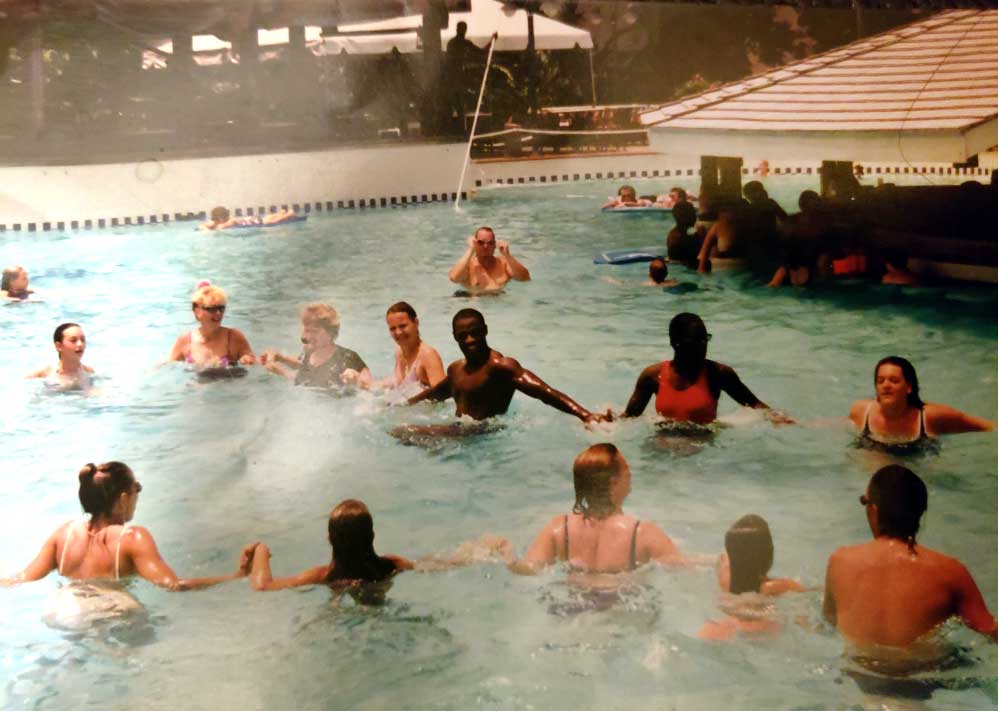
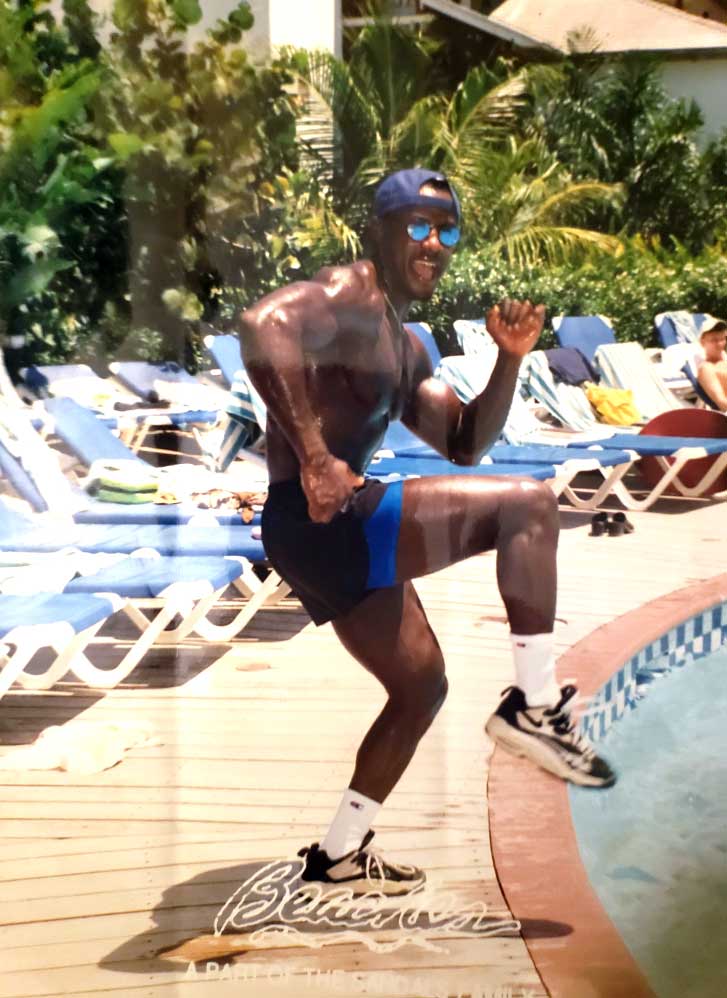
I became a fitness instructor and began sharing my passion for fitness with others. This work and commitment to achieving the highest level of personal fitness paid off when I was hired as a fitness coordinator at a premiere Jamaican resort, and asked to create a fitness program for guests. I developed a program for guests of all fitness levels at Sandals Beaches Resort, which  included land and water aerobics and personal training services.

Through this work on the resort fitness program and my own personal fitness regimen, I realized that fitness and a healthy lifestyle had changed my life. 

My life goal became helping others transform their lives through fitness. Upon entering the United States, ironically one of my first interviews for group fitness was at Crunch Fitness with Lois Miller. I didn’t get that job based on my broken English with no permanent residence status at that time, however, I DID get an opportunity at FFC and it brought my relationship with Lois full circle – who I enjoy working with today. FFC gave me a chance and 19 years later, I am still going strong. 

Fitness is a Lifestyle, Not a Hobby

Today, I love sharing my enthusiasm for fitness with others as a group fitness instructor exclusively at FFC locations around Chicago including West Loop, Union Station, Gold Coast and Old Town.

I am certified in a number of different fitness associations, including the International Fitness Association, Aquatic Exercise Association, and Jamaica Aerobics & Fitness Association. I also currently have a certification with A.F.A.A for personal training and serve as a personal trainer to a large and varied clientele, ranging from individuals who are just beginning to incorporate exercise into their daily lives to marathon runners and other seasoned athletes who need cross training designed to enhance performance.  Through my passion, motivation, and creativity, I have developed a large base of clients. On a personal level, I continue to adhere to my strict personal workout regimen, and now trains my young daughters ages 10 &13 to continue the legacy for fitness and good health.

Post written and photography provided by FFC group fitness instructor Steve Parkin. You can check out his classes by sorting for his name on the group fitness schedule here!

Member Stories: Finding a Routine & Overcoming Health Challenges at FFC

I’ve been a member of FFC for almost 20 years. Living in the Lakeview neighborhood, I frequent the Boystown and East Lakeview locations at least 5-6 times per week, primarily in the morning. In the past few months, I’ve also started working out at least once a week at the West Loop location.

My experience with FFC over the years has been wonderful and it’s enhanced my life and overall health in so many ways. The entire staff is excellent; not only are they professional, but the encouragement they offer is invaluable. 

I’m a very active person, and love the “endorphin high” that you get from physical activity. Living in Chicago there is nothing like a run or bike ride along our lakefront. Over the years I’ve run 7 marathons, countless triathlons, as well as 10K, 8K and 5K races. 

At FFC, I love a good spin class (music is key!) and the personal training is world class. My only downside is that I hate to run on the treadmill (but I’ll do it!).

When the Rubber Hits the Road

I have a good routine going that keeps me fit and healthy. But sometimes we’re all faced with difficult challenges.   

In January 2016, I had two large fibroids surgically removed and was out of commission for three weeks. This meant no working out and resting at home. Being an active woman, that was VERY hard. Nevertheless, during my recovery I was cleared to walk on the treadmill and not much else… but it kept me sane.

However, I never fully recovered. Two days after going back to work, I found myself back in the hospital and undergoing emergency surgery due to a severe bacterial infection. For a two-week period, I was in and out of the hospital.

Once released, I was connected to a wound-vac to heal the massive incision on my abdomen, and I had to administer antibiotics through an IV PICC line. For six weeks, I had a nurse come to my home and change my bandages and PICC line, and draw blood in order to monitor my infection.

Slowly But Surely

While I was recovering, a one-block walk became a walk around the corner… and then a walk to the lake and back. Once my doctor gave me permission, I was able to go back to the gym and attempt light workouts… and of course I did a little more than I was cleared to do! Getting back to where I was before my illness was very important to me and FFC played an enormous role with my goal.

Once I returned to work, normalcy started to creep back in, Hallelujah! As I kept getting stronger, I decided I was really going to challenge myself… I signed up for a race. On Sunday, September 25, I completed the Chicago Half Marathon!

Related: how one FFC member overcame a devastating sports injury and refocused his energy into finding his life purpose, through FFC.

Soon after the race, I started training with trainer Beth Peterka – I’ve learned so much about the importance of resistance and weight training and aerobic/anerobic exercise. I’m also flipping tires, pushing weighted sleds, climbing the Jacobs Ladder, rowing, doing bench presses, lunges, planks, slamming ropes and much more. Even the treadmill has become fun.

Beth also introduced me to a new obsession that has enhanced my workouts so much that I am stronger and in better shape than I have ever been: MYZONE. I’ve had more fun working out and logging as many MEPs as I can, that ‘MEPing’ has become part of my vocabulary!

Post written & photography provided by FFC member Mary May.

HIIT Workouts for Beginners: Why Do HIIT & Sample Workout

FFC Gold Coast coach and personal trainer Jeremy Gorden shares some benefits of high intensity interval training, plus HIIT workouts for beginners.

You may have heard of The Faction, but you still may be trying to figure out what it is. In short, The Faction is a new type of workout at Fitness Formula Clubs that focuses on a high intensity interval training (HIIT) format. It utilizes non-conventional equipment (such as kettlebells, TRX straps, barbells, tires and sleds) and incorporates elements from MMA, boxing, Olympic weight lifting and others.

HIIT workouts for beginners - benefits and a plan to try on your own

I’ve been running classes in the Performance Training Center (PTC) at FFC Gold Coast since we started in the spring of 2016 and we’ve come a long way since. When building the program, we wanted to focus on HIIT, metabolic conditioning, and sports performance training. Over the years, we’ve learned what our members enjoy most and tried to build around those preferences. We still focus mostly on HIIT and metabolic conditioning but we’ve recently added three kettlebell classes and we’re always throwing out new class ideas we think our members will both enjoy and benefit from.

As trainers, we have the freedom to build the style of class that we personally enjoy teaching while still offering all of the benefits of full body instructional training. The benefits of HIIT workouts may have something to do with why the American College of Sports Medicine put it at the top of their list of recent fitness trends. Exercise enthusiasts everywhere are jumping on the HIIT wagon and here are a few reasons why:

  • Calorie burn and metabolic boost: A HIIT workout done properly has the potential to burn calories not only during the workout, but for up to 48 hours after the workout has been completed. Your metabolism is the process your body uses to convert food into energy. A high metabolism allows you to eat more food, which means you get to enjoy all of those guilty pleasures without the after effects.
  • Muscle gain: I structure all of my classes so that the participants are pushing their bodies to their individual limits. I encourage everyone in my classes to use as much weight as possible for the specified exercises in order to stimulate muscle growth along with calorie and fat burn.
  • Community: We’ve really striven to build a community that PTC members feel confident and comfortable being a part of over the past three years. We have every type of member involved in PTC with ages ranging from early 20s to members in their 60s turning heads with their abilities. 
  • No experience necessary: members of any skill level to be able to come to class and be confident in their abilities. All of my classes are put together so that members coming on any given day are progressing through that workout for the entire month. This allows participants to see progression in strength, skill, or both.

HIIT Workouts for Beginners: A Sample Plan to Try

Check out the sample program below for a taste of what you can expect during a Faction workout. Want to try out The Faction for yourself? Head over to this link to learn more and sign up for a free class!

90 seconds ON – 60 seconds OFF – 2 rounds; run through each station in order, then start back up at the top. 

  • Heavy sled row and push back – 20 yards
  • Kettlebell swing x 15; box jump x 3 – repeat
  • Battle rope circles x 40, rope slams x 40; burpees x 3 – repeat
  • Sand ball slam x 15, stair run with sand ball x 1 
  • Row – 21 calorie goal (gals), 27 calorie goal (guys)

Related: check out The Faction at FFC, for serious workouts on the turf, coaches that motivate & inspire and progress tracking through monthly performance testing. You’ll hate it, then you’ll love it. Find out more here.